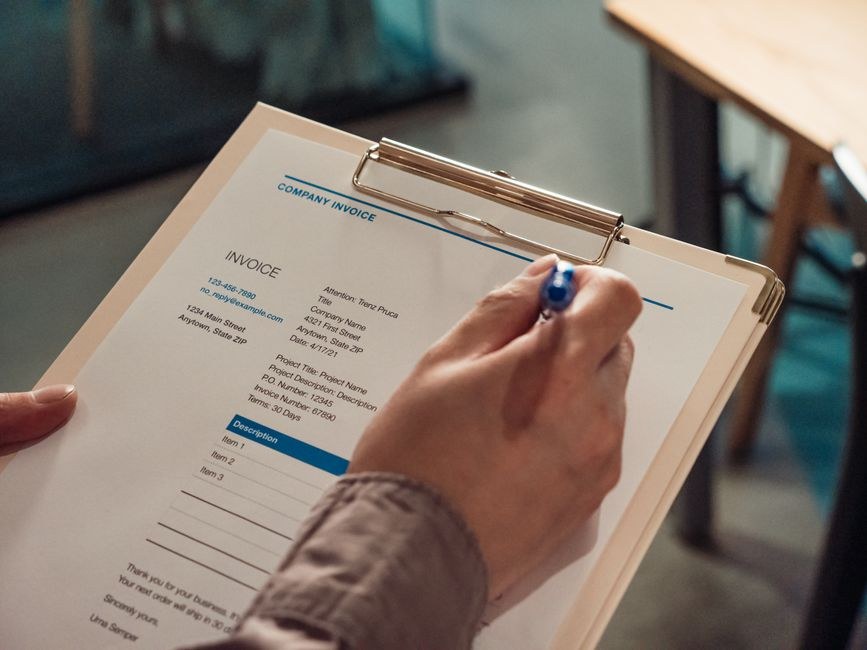
Hidden fees inflate house slippers wholesale costs after quotes. Learn to spot tooling, packaging, rate and port charges before you commit.
If your house slippers wholesale order lands 15% over the quote, the culprit is rarely the base price. It is the quiet additions — the plating fee, the carton upgrade, the peak-season surcharge — that arrived in separate emails and never made it into your landed-cost sheet. I have seen buyers approve a unit price and then sign off on charges that turned a healthy margin into a break-even exercise.
The problem is structural. A cotton slipper factory in China quotes what it controls, not what the shipment encounters. The costs that surprise importers usually fall into five buckets, and none of them are secret once you know where to look.
Tooling, plating and die charges
Logos are where small orders bleed. A woven label or printed logo on the sock is inexpensive and repeatable. A metal badge, embossed leather patch or custom-molded rubber tab is not. Those require a plate, die or mold that is often quoted once and amortized across the production run — but only for that run.
Ask two questions before you approve artwork. First: is the tooling cost one-time, and do I own the tool? Second, what changes when I reorder? If the answer is "a new plate each time" for a design you expect to reorder, the setup fee is effectively a hidden per-order tax. On low volume runs of memory foam slippers suppliers will often push a stock outsole with a stick-on label rather than a molded logo. Take that trade on test orders, then move to molded parts once the size is proven.
Packaging upgrades that get quoted late
Standard export cartons protect the goods; retail packaging sells them. The gap between the two is where budgets slip. Polybags, hangtags, a printed sleeve, a color box, a master carton with your own barcode — each line adds labor and material, and each tends to be quoted only after you specify it.
- Retail box vs. polybag: the box is not just material, it is assembly time and extra cube.
- Master carton count: dropping from 40 pairs to 20 pairs per carton lowers landed unit cost but raises your per-unit shipping.
- Custom carton print: minimum order quantities on printed cartons can exceed your slipper MOQ.
- Insert cards and tissue: trivial individually, material across 10,000 pairs.
Fix this by asking for a packaging cost schedule alongside the slipper quote, priced at your expected order quantity. Vague answers become line items on the final invoice.
Freight, fuel and seasonal surcharges
When you buy FOB, the freight is yours to control, which is a good reason to use FOB rather than DDP on repeat orders. But even FOB quotes carry assumptions: a sailing date, a container utilization, a chassis and document fee at origin. If your order ships in the pre-holiday surge, spot rates can move 30% or more and peak-season surcharges appear out of nowhere.
Budget with a freight ceiling rather than a fixed number. Ask your forwarder what a worst-case peak-season rate looks like on your lane and use that in your margin model. If the number that survives is still profitable, the shipment is safe.
Compliance, testing and port-side costs
Compliance is the least predictable line. Third-party lab testing, children's safety requirements, chemical restrictions in destination markets, and customs examination fees at destination. None of it is scam money, but none of it is in the unit price either.
Treat testing and inspection as a fixed cost per order, not a percentage. It does not shrink when you order fewer pieces — which means small trial runs carry a disproportionate share.
Destination port charges, demurrage if documents are late, and last-mile delivery to your warehouse round out the list. See who owns each step in writing before the container departs.
The costs that creep without you noticing
The subtle ones are worse than the itemized fees. A sample that ships by air because you needed it in two days. Two rounds of cost creep from material substitution — switching to a lighter foam density, a thinner lining, a cheaper sole compound that fails a flex test and has to be remade. Each change is small; the aggregate arrives as a revised invoice you approved piecemeal.
Discipline here is simple. Change orders are written, priced, and confirmed before production resumes. If a factory proposes a substitution to save cost, the savings should appear in writing on your side of the ledger. A legitimate house slippers wholesale partner will not resist that. A marginal one will.
How to stop paying for surprises
Build your cost model with three columns: the quoted unit price, the estimated extras at your actual order size, and a contingency line of 8–12% for what you have not anticipated. Then work through these steps before you approve the proforma invoice.
- Ask for a full cost breakdown in writing: unit price, tooling, packaging, testing, inland freight, origin charges.
- Confirm which costs are one-time and which repeat on every reorder.
- Set a freight ceiling with your forwarder and test your margin against it.
- State in writing that substitutions affecting cost or spec require your approval.
- Keep a P&L for the order, updated as charges come in — you need the real number to price next season.
Do this for your next order, whichever factory it comes from, and you will know whether the quote is honest or just incomplete.
Tags: house slippers wholesale, cotton slipper factory China, wholesale slippers sourcing, slipper import costs, OEM cotton slippers