How to nominate, approve and hold slipper color matching across dyed fabric lots, using Pantone references and a clear slipper color approval process.
This guide explains how to nominate, approve and hold slipper color matching across dyed fabric lots, using Pantone references and a documented slipper color approval process.
Color drift between the approved sample and the bulk order is a common and expensive problem. The fix is a written color standard that the dyehouse, cutting room and inspector can all work from. Slipper Color Matching: Pantone Reference for Bulk Fabric is about turning a vague color request into a document that survives staff changes and reorders.
Why Pantone cotton fabric references beat screen colors
A Pantone number is a shared address. It does not guarantee a perfect match, but it removes the argument about what "dusty rose" meant. For bulk slippers, nominate the color on the substrate you will actually buy. A Pantone chip printed on coated paper and a dyed cotton knit will never look identical under the same lamp, so treat the paper reference as a starting point and the dyed cotton swatch as the real target.
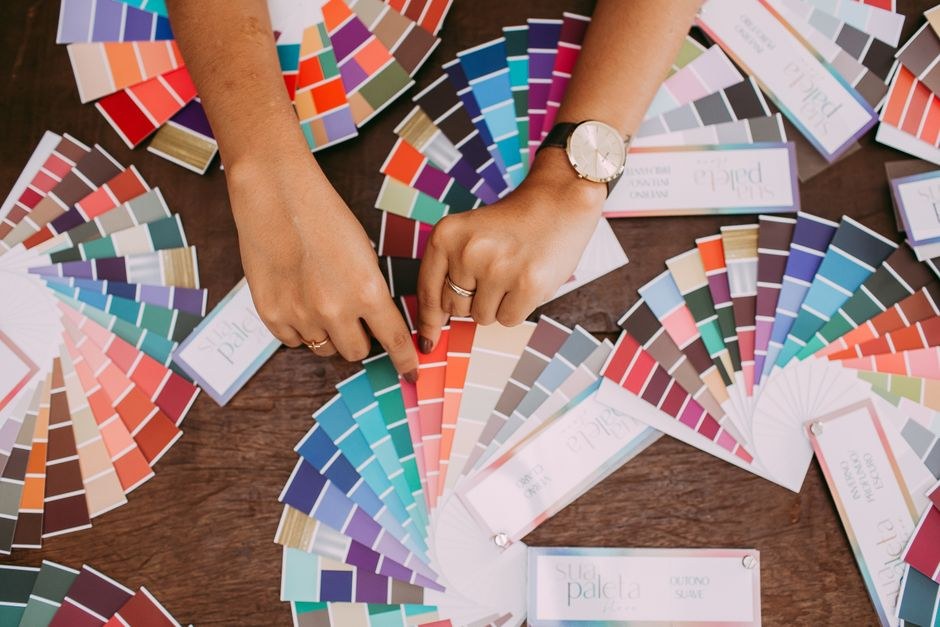
This is where the Pantone cotton fabric system earns its place. Cotton-specific reference sets are produced on cotton material, which makes them a far better visual guide for knitted uppers, terry linings and cotton-blend shells than a paper chip. Ask your supplier which reference set they physically hold, and whether they can match to it or only to a lab dip they produce themselves.
Three practical points buyers often miss:
- Lighting changes everything. A color approved under office LED can look wrong under retail fluorescent or daylight. Agree the viewing light in writing.
- Substrate changes the result. The same dye recipe on a 180 gsm knit and a 260 gsm terry will not read the same. Approve each fabric separately.
- Trims are separate approvals. Binding tape, thread, embroidery yarn and the sole edge all need their own reference, even when they are meant to match the upper.
Keep the reference set and the approved physical swatch together, signed and dated by both sides. A photograph is a backup, never the standard.
Running slipper color approval before bulk cutting
A workable approval sequence has four gates, and each one should produce a signed artifact.
- Nomination. The buyer states the Pantone reference, the fabric it applies to, the acceptable tolerance and the viewing condition. One reference per fabric per colorway.
- Lab dip. The dyehouse submits a small dyed sample on the production substrate. The buyer comments in writing: approved, approved with comment, or rejected with a direction.
- Pilot or bulk swatch. A swatch from the actual production lot is checked against the approved lab dip. This is the step that catches dyehouse drift before thousands of pairs are cut.
- Production hold. The approved swatch is stored at the factory and at the buyer's end, and referenced during in-line and final inspection.
Two or three rounds of lab dip is normal. What is not normal is approving a dip verbally and then discovering the bulk lot is two shades off. Put a clear deadline on each round so the approval does not quietly eat into production time.
Keep slipper color approval separate from dye fastness testing. Fastness tests tell you whether a color will bleed, crock or fade; they do not tell you whether the shade is right. A fabric can pass every fastness test and still be the wrong color. Likewise, logo color is its own approval: embroidery thread and print inks are matched to their own references, not assumed to follow the upper fabric. For more on fastness, see our guide to slipper color fastness.
Holding color across lots, seasons and reorders
The harder problem is not the first order. It is the reorder six months later, when the dyehouse has changed, the fabric mill has changed, or the original swatch has faded in a drawer. Slipper Color Matching: Pantone Reference for Bulk Fabric matters most at this point, because a documented standard is the only thing that survives staff turnover on either side.
Build a color file that travels with the product:
- The Pantone reference and the substrate it applies to.
- The approved lab dip and the approved bulk swatch, sealed and dated.
- The agreed tolerance, stated plainly, for example a visual match under a named light source with a defined number of trained observers.
- The fastness test results, filed separately from the shade approval.
- A note on any approved deviation, so a future buyer does not reopen a settled question.
For seasonal programs, expect some drift between years. Dye lots vary, and no supplier can guarantee an identical shade across twelve months without a retained standard. The realistic goal is a match to the retained standard, checked at the bulk swatch stage, with a documented tolerance rather than a claim of perfection.
If two people can look at the same slipper and disagree about whether it is the right color, the standard is incomplete.
One more discipline: do not let color approval become a reason to skip the pre-production sample. The sample shows the color in the assembled product, next to the sole, the lining and the packaging. That is the view your retail buyer will judge.
What to put in your color specification
Before you send the next purchase order, write a one-page color specification and attach it. It should name the Pantone reference, the fabric and its weight, the trims and their separate references, the viewing condition, the tolerance, the approval gates and who signs off at each one. Then confirm your supplier holds the physical reference set and will retain the approved swatch for the life of the program.
If you are comparing two suppliers, ask both to match the same reference on the same substrate and send a dyed swatch. The comparison tells you more than any catalogue photo. Slipper Color Matching: Pantone Reference for Bulk Fabric is not a paperwork exercise; it is the cheapest insurance against a container of slippers that sells at a discount because the color missed.
Finally, keep the color file with your tech pack and your inspection checklist, not in a separate folder someone forgets. When a reorder is placed, the first question should be "which approved swatch are we matching?" — and the answer should be in the file. For related reading, see our cotton slipper materials guide and quality control checklist.
Tags: slipper color matching, Pantone cotton fabric, color approval, fabric dyeing, sourcing tips