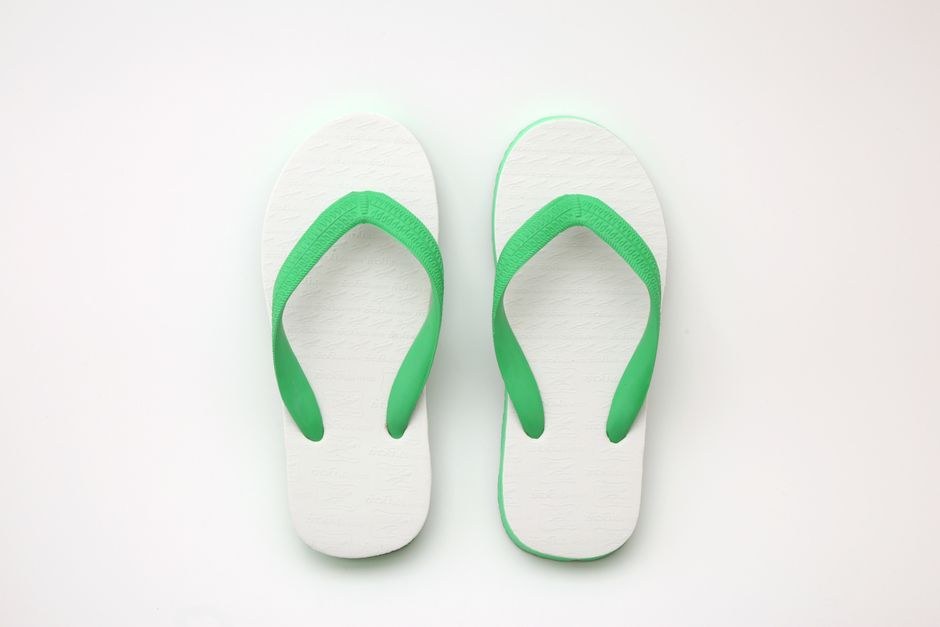
A practical buyer's guide to anti-slip slipper testing for TPR and EVA soles: test methods, acceptance criteria, and pre-production checks to avoid liability.
Most slipper slip-and-fall complaints never reach a courtroom, but they do reach your customer service inbox, your retailer's chargeback desk, and eventually your supplier's factory floor. Whether you source TPR or EVA, verifying grip before bulk production is cheaper than verifying it after the container arrives. This guide covers how to test, what to measure, and when to walk away.
We'll focus on the engineering behind anti-slip slipper testing — not the sales pitch. You'll learn how to evaluate TPR sole slipper testing results, interpret data against a slipper slip resistance standard, and set acceptance criteria that protect your brand without over-engineering a house slipper.
Why Sole Grip Deserves a Testing Protocol
House slippers are worn on tile, laminate, and polished concrete — surfaces that turn a marginal sole into a liability. A sole that feels grippy on a dry factory floor can slide on a wet bathroom tile. Retail buyers increasingly ask for evidence of friction performance, especially for supermarket and hotel programs where slip claims are costly.
The problem: many factories test grip by hand, on a bench, with no repeatable method. That is not a test; it is an opinion. A proper protocol uses a coefficient of friction (COF) measurement under controlled conditions, on the surfaces your end users actually walk on.
Before bulk production, you should have a written specification that states the minimum COF, the test surface, the test condition (dry, wet, or contaminated with soapy water), and the sample size. Without those four elements, a test report is decoration.
TPR Sole Slipper Testing: What to Measure and How
Thermoplastic rubber (TPR) is the default for slippers that need grip and durability. It is also the sole type where testing pays off most, because TPR formulations vary widely in hardness and surface finish.
Test methods that work
- Horizontal dynamometer test: Pull a weighted sled across a test tile and record the peak force. Calculate COF as force divided by weight. Repeat five times per sample and report the average and standard deviation.
- Ramp test: Place the slipper on a tilting platform and raise the angle until it slides. The tangent of the angle gives COF. Simple, repeatable, and easy to witness at the factory.
- Wet-condition test: Same as above, but with a controlled film of water or soapy water on the tile. This is the test that matters for bathroom use.
Acceptance criteria
Set a minimum COF for dry conditions and a separate, lower minimum for wet conditions. For most house slippers, a dry COF of 0.5 or higher is a reasonable floor, but confirm with your retailer's compliance team — some markets have their own thresholds. Wet COF should be tested and reported, even if the standard does not mandate a specific number.
Also check hardness: a very soft TPR compound may grip well initially but wear quickly. A very hard compound may last longer but slide. Ask for Shore A hardness on the sole and test grip after an abrasion cycle if your order volume justifies it.
EVA Soles: Where Testing Often Gets Skipped
EVA is lighter and cheaper, and it is common on spa slippers and indoor-only styles. The mistake is assuming EVA is inherently safe because it is soft. Soft EVA can compress under weight and lose contact area, which reduces grip on smooth floors.
Test EVA with the same methods, but pay attention to surface texture. A smooth EVA sole on a wet tile is a known risk. If your design has a textured tread, verify that the texture is deep enough to channel water — a shallow embossed pattern may look grippy but perform poorly.
For EVA, also test after simulated wear. A few minutes of abrasion on a standard abrasive surface will tell you whether the tread pattern survives long enough to be useful. If the texture flattens quickly, the initial test result is misleading.
Setting a Slipper Slip Resistance Standard for Your Order
There is no single universal slipper slip resistance standard that covers every market. Instead, buyers usually reference one of three approaches:
- Adopt a recognized test method from a standards body (for example, a friction test method used in footwear or floor safety) and set your own pass/fail threshold based on the intended use.
- Follow the retailer's specification. Supermarket and hotel chains often have their own grip requirements. Get them in writing before sampling.
- Use a comparative benchmark. Test a known-good slipper and a known-bad slipper, then require your production run to fall within a defined range of the good sample.
Whichever route you take, document it in the purchase order. State the test method, the surface, the condition, the sample size, and the acceptance range. Then require the factory to provide test reports from a third-party lab or from their in-house lab with calibrated equipment. A report with no method description is not evidence.
Pre-Production Checks That Prevent Costly Surprises
Testing a single sample is not enough. Sole grip can vary between production lots because of compound batch differences, mold wear, or changes in the tread pattern. Build these checks into your pre-production timeline:
- Test at least three pairs from the golden sample run, not one.
- Test on the actual surface your end user will encounter — bring your own tile sample if needed.
- Include a wet test even if the slipper is marketed as indoor-only.
- Repeat the test after 24 hours of wear simulation if the order value justifies it.
- Keep a signed and dated record for each test, with photos of the setup.
If a factory resists providing test data or insists that hand-feel is sufficient, treat that as a data point about the factory, not the slipper.
What to Do Before You Place the Bulk Order
Start by writing a one-page sole grip specification for your program. Include the test method, the surfaces, the dry and wet thresholds, and the sampling plan. Send it to your factory before sampling, not after. A factory that can meet it will tell you upfront; one that cannot will negotiate.
When you receive test results, read the method section first. If the method is unclear, ask for a re-test. If the numbers pass but the method is weak, you have a false sense of security.
Finally, decide what you will do if a production lot fails. The cheapest option is to catch it before shipment. The most expensive option is to catch it after your customer does. Build the test into your pre-shipment inspection checklist, and keep the acceptance criteria in the purchase order so there is no argument later.
Tags: anti-slip slipper testing, TPR sole testing, EVA sole grip, slip resistance standard, slipper quality control