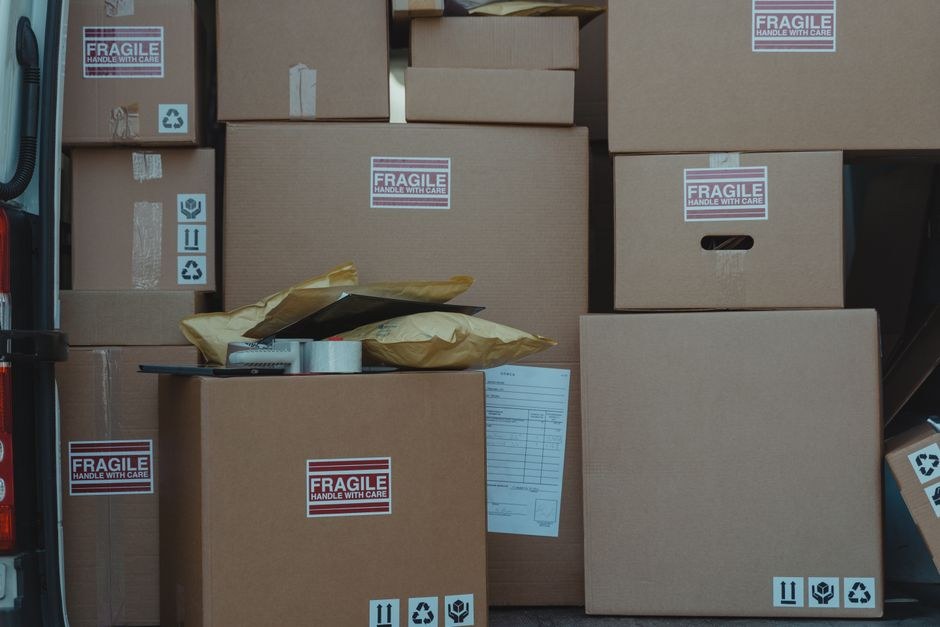
A practical guide to consolidate slipper orders from several Cixi factories into one container, cutting freight and handling costs without adding risk.
If you are buying from three Cixi slipper factories, you are probably paying for three separate export files, three sets of documents and possibly three less-than-container loads. That is money you do not need to spend. Consolidating those shipments into one container is straightforward, but only if you plan it before production starts.
Why multiple supplier shipping costs more than it should
Each factory quotes FOB Ningbo and books its own space. On small volumes, that means LCL rates, destination handling fees and separate customs entries. Say you order 600 pairs from one factory, 800 from another and 1,000 from a third. Three LCL bookings can easily cost more in fees than one 20ft container, even though the container has spare capacity. Multiple supplier shipping also multiplies your document workload and the chance of a paperwork error.
Consolidation fixes this by treating several factory orders as one export shipment. One container, one bill of lading, one set of originals. The savings are real, but they depend on coordination.
How Cixi export consolidation works in practice
There are two models. The first is factory-to-warehouse: each supplier delivers finished cartons to a consolidation warehouse near Ningbo, where goods are checked, labelled and loaded into one container. The second is direct loading: if all factories are close together, a forwarder can arrange a single truck run to collect from each and load at the last stop. The first model is safer for mixed orders; the second is cheaper but less flexible.
For either model, you need a forwarder or consolidation agent who regularly handles Cixi export consolidation. Ask for a written plan covering pickup windows, warehouse receiving hours, carton marking rules and who bears the cost if one factory delivers late.
Documents that must match across suppliers
- Consistent shipper name and consignee details on every packing list.
- Carton marks that identify supplier, PO number and carton count.
- One commercial invoice that lists each supplier's goods separately but ships under one B/L.
- Certificates or test reports grouped by product type, not by factory.
Planning the timeline so one late factory does not sink the container
Consolidation compresses your margin for error. If two factories finish on time and one runs a week late, the container waits and you pay storage. Build a buffer into the schedule and get written production completion dates before you book space.
Work backwards from the vessel departure. Allow two to three days for inland trucking from Cixi to the warehouse, one day for receiving and checking, and one day for loading. If any supplier is new to you, add a week. The cheapest container is the one that sails on schedule.
A simple sequence that works
- Confirm each factory's ex-works date at least four weeks before the vessel.
- Book consolidation space with a forwarder who knows the Cixi cluster.
- Send every supplier the same carton marking and packing list template.
- Have the warehouse photograph each supplier's cartons on arrival.
- Approve loading only after carton counts and marks match the packing lists.
When consolidation is not worth it
If one supplier's order fills a full container on its own, ship it directly. If your suppliers are in different provinces, the inland trucking to a single warehouse can erase the freight savings. And if your order includes products with different regulatory requirements, mixing them under one entry can complicate customs clearance. Consolidation works best when all goods are slippers from the same region and share similar compliance profiles.
Also consider the hidden cost of control. One container means one inspection point, which is efficient, but it also means a defect found at the warehouse delays everything. Budget for a pre-loading check, not just a final inspection at each factory.
For buyers running private label programs, consolidation can also simplify packaging. A single warehouse can apply retail-ready labels or polybags across all suppliers' goods, provided you supply the materials and instructions in advance.
What to do before your next order
Start by listing every open order and its ex-works date. If two or more orders can realistically finish within a week of each other, ask your forwarder for a consolidation quote against separate LCL bookings. Compare total landed cost, not just ocean freight. Then set a single carton marking standard and send it to all suppliers before production ends.
If you have never consolidated from Cixi, run a trial with two small orders first. You will learn how your suppliers handle pickup windows and how your forwarder communicates. Once the process is proven, scale it to three or four suppliers and negotiate a standing consolidation arrangement. The savings are not glamorous, but they go straight to your margin.
Tags: consolidate slipper orders, multiple supplier shipping, Cixi export consolidation, slipper sourcing, freight consolidation