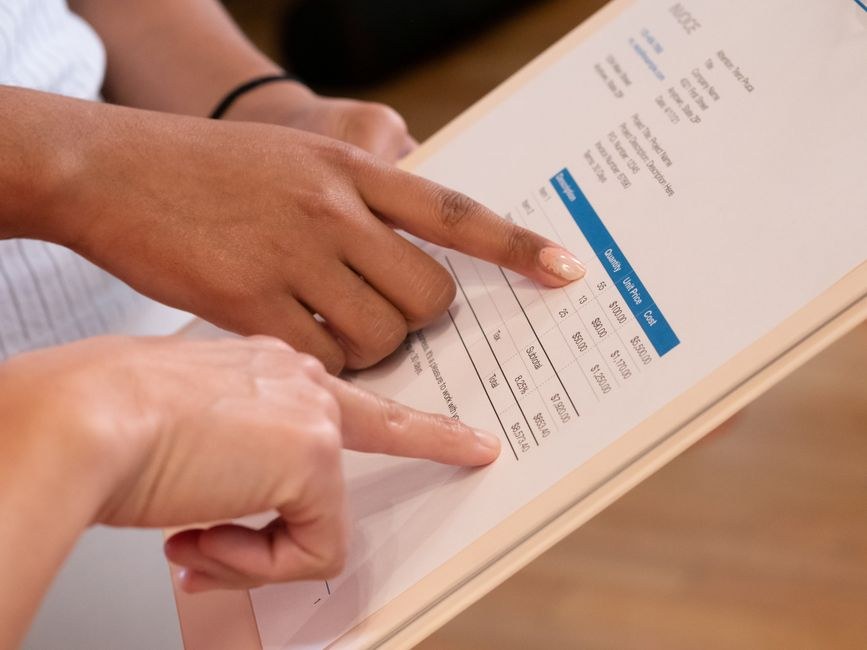
Five overlooked costs in cotton slipper sourcing—rework, samples, storage, inspection, and freight—that quietly inflate your wholesale slipper landed price.
Most buyers obsess over the per-pair quote and ignore the five cost leaks that follow. Cotton slipper hidden costs rarely appear on a proforma invoice, yet they can add double-digit percentages to your wholesale slipper landed price. They surface as rework charges, sample fees, storage bills, inspection expenses, and air-freight penalties. None are inevitable, but all are common. Here is how each one works, what it does to your margin, and how to cap it before you sign.
1. Rework and replacement: the cost you pay twice
Rework is the most expensive hidden cost because you pay for the labor once in the unit price and again when the factory fixes defects. A missed stitch on a plush slipper lining or a sole that peels after a week of wear turns a clean order into a negotiation. The usual outcome: the supplier absorbs some, you absorb the rest in delays and discounted seconds.
Mitigation starts at the sample stage. Lock the construction spec—stitch density, lining attachment, sole bonding method—before bulk begins. Then insist on an approved golden sample kept at the factory and referenced during production. If the factory cannot show you a rework rate for comparable orders, treat that as a signal. Preventive cost is small: a mid-order check on 100 pairs catches a drifting seam before it reaches 5,000.
2. Sample fees and development charges that never get credited
First samples are often free or cheap; subsequent rounds are not. A buyer developing a custom faux-suede moccasin may pay for three or four iterations, each with tooling, fabric sourcing, and courier fees. Individually these are modest. Cumulatively they can rival the profit on the first container.
Ask upfront whether sample fees are credited against the bulk order, and at what order value. Many factories will agree to credit against a first order above a stated volume—get it in writing. Also cap the number of free revisions; beyond two or three, treat each new round as a new development cost and budget for it.
3. Storage, demurrage, and the quiet rent on your goods
Slipper sourcing cost overruns often come from goods sitting still. Slippers are bulky and light, so a container fills fast. If your order is ready before your warehouse or your retailer’s delivery window, the factory may charge storage after a free period. At the port, demurrage and detention accrue daily if documentation or trucking is late.
- Confirm the factory’s free storage window and the daily rate after it.
- Align production completion with your sailing date—not earlier.
- Book trucking and customs clearance before the container is ready, not after.
For seasonal winter slippers, timing is especially tight. A two-week early completion can mean two weeks of storage fees; a two-week late completion can mean air freight.
4. Inspection and testing charges beyond the quote
Third-party inspection is a line item many buyers forget to budget. A pre-shipment inspection at AQL 2.5 on a 10,000-pair order typically costs a few hundred dollars plus travel if the inspector is remote. Add lab testing for color fastness, sole adhesion, or fiber content, and the total can reach four figures. Some factories quote FOB without these; others bury them in a “quality service fee.”
Decide early who pays for what. If you require BSCI or ISO 9001 evidence, ask for the current audit report rather than paying for a fresh one. For routine orders, a single pre-shipment inspection is usually enough; for new suppliers or new constructions, add a mid-production check. The cost is predictable—unlike the cost of a rejected container.
5. Freight surprises: when cheap becomes expensive
Ocean freight is the default for wholesale slippers, but a missed sailing or a late reorder can push you to air. Air freight on plush slippers is brutal because you pay for volume, not weight. A rush order of 2,000 pairs that misses the sea cutoff can cost more in air freight than the goods themselves.
The fix is scheduling discipline. Build a production calendar backward from your retail floor date, leaving buffer for Chinese New Year and peak-season port congestion. If you must air-freight, consolidate with other orders and ask the factory to compress packaging without crushing the slippers. Never let a supplier book air freight without your written approval.
How to protect your wholesale slipper landed price
Start by building a landed-cost model that includes a contingency line for these five items—not as an afterthought but as a real number. Then negotiate the terms that control them: sample fee credit, free storage days, inspection responsibility, and freight approval. Put each in the purchase order.
Before you commit, ask your supplier three questions: What is your rework rate on similar orders? What is your free storage period? Who pays for the pre-shipment inspection? The answers tell you more about your true cost than the unit price ever will. A factory that answers directly is usually the one that will not surprise you later.
Tags: cotton slipper sourcing, hidden costs, landed price, wholesale slippers, sourcing tips