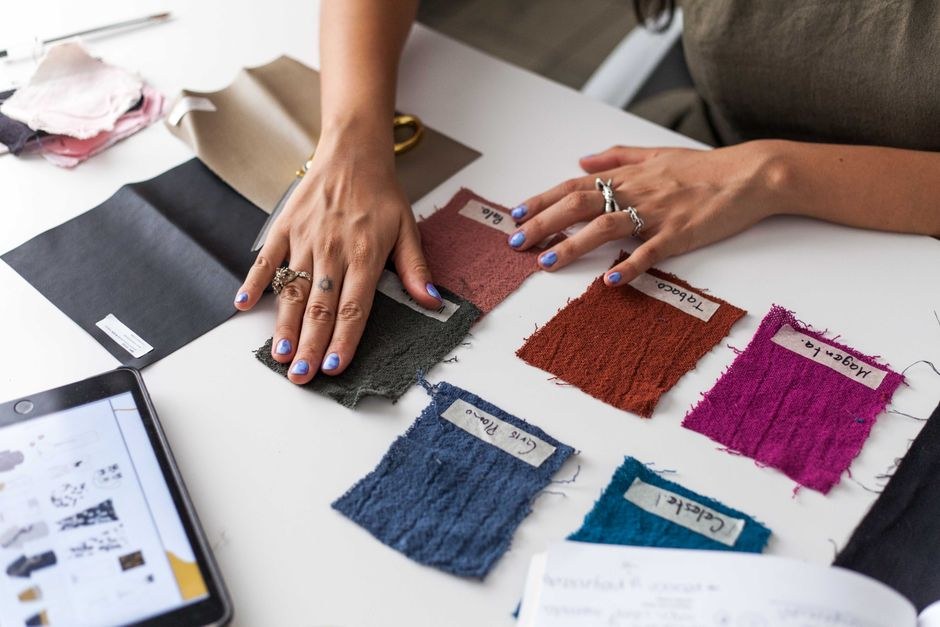
Compare terry, knitted and fleece cotton slipper materials for bulk orders: cost, warmth, durability and which markets each suits best.
Every bulk cotton slipper order starts with the same quiet decision: which fabric goes on the upper, and which goes against the foot. Get it wrong and you will hear about it from returns, not from the factory. cotton slipper materials drive your landed cost, your warmth claim, your washability promise and, ultimately, which retail channels will take the product.
This comparison sticks to the three fabrics buyers ask about most: terry, knitted cotton and fleece. We will look at each in terms of cost pressure, warmth, durability and the market it fits. The terry vs knitted question comes up constantly in buyer meetings, and fleece has its own place in the mix. Here is how to think about them without overcomplicating the spec.
Terry cotton: the workhorse for spa and hotel programmes
Terry is looped cotton, and it behaves like a small towel on your foot: absorbent, soft against skin, and easy to launder. For a cotton slipper manufacturer China-based or elsewhere, terry is one of the most predictable fabrics to cut and sew, which is why it dominates spa, hotel and washable house slipper lines.
What it means for your business:
- Cost: terry sits in the middle of the three on fabric cost. Loop height and yarn quality move the price more than the weaving method itself. A lighter terry can hit a low price point, but it will feel thin after a few washes.
- Warmth: moderate. Terry is comfortable in spring and autumn, and in heated indoor environments in winter. It is not a cold-climate fabric on its own.
- Durability: good, provided loop pull is controlled. Loose loops snag and create a shabby look after washing, so ask for a tighter, denser terry if the product is going into a washable range.
- Best markets: hotels, spas, airline amenity kits, washable house slipper lines and supermarket programmes where the care label says machine wash.
One sourcing note: if your product is marketed as a towel-feel spa slipper, terry is the honest choice. If you try to hit a terry price with a fleece look, you usually end up with a fabric that does neither job well.
Knitted cotton: the style and breathability option
Knitted cotton has moved from a niche to a mainstream choice for buyers who want a modern, sock-like upper. It stretches, it breathes, and it photographs well for online listings. That last point matters more than many buyers admit: a knitted slipper looks premium in a product photo even at a modest price point.
How it compares:
- Cost: knitted uppers can be cost-competitive, but complexity lives in the pattern and the cuff. A plain knit is straightforward; a shaped cuff or a two-tone design adds cutting and sewing time. This is where the terry vs knitted decision usually gets made, because a fancy knit can erase the savings you expected.
- Warmth: lower than terry or fleece unless you add a lining. Knitted cotton is breathable, which makes it a strong summer and transitional-season fabric, and a weak winter one.
- Durability: good for shape retention if the knit is dense. Thin knits stretch out at the heel and toe over time, so specify the fabric weight rather than accepting a generic "knitted cotton" description.
- Best markets: summer and open-toe lines, travel slippers, fashion-led wholesale cotton slippers for younger shoppers, and markets with mild winters.
Knitted is also the most forgiving fabric for logo placement: embroidery sits cleanly on a flat knit, while it can sink into a looped terry.
Fleece and plush: warmth-first, with quality risks to manage
Fleece and plush are the warmth fabrics. If you are supplying a winter slippers supplier programme for cold-climate supermarkets, fleece slippers bulk orders are where the category lives. The customer expectation is simple: put them on and feel warm immediately.
The trade-offs are real:
- Cost: fleece can be inexpensive per metre, but the price range is wide. Cheap fleece pills, sheds fibre and looks tired quickly. Dense, well-finished fleece costs more but protects your returns rate.
- Warmth: the best of the three. A fleece lining or upper traps heat well, which is why fleece-lined slippers are the default winter product in most cold markets.
- Durability: the weak point. Shedding, matting and flattened pile are common complaints. Stray lint is also a factory QC issue, so inspections should include a look at the inside of the slipper, not just the outside.
- Best markets: winter slipper ranges, men's and children's warm house shoes, gift sets and cold-climate supermarket programmes.
Fleece also raises a labelling question. If you describe the product as cotton, check what the fleece actually is. Many plush fabrics are polyester, and claiming cotton content you cannot support is a compliance problem, not a marketing detail.
Choosing by market, not by habit
Most sourcing arguments about fabric are really arguments about the end customer. A simple framing helps:
- Hotel and spa buyers: terry, usually with a light EVA or TPR sole and a simple logo. Washability and consistent colour matter more than warmth.
- Supermarket private label: match the fabric to the season. Terry or knit for the warmer months, fleece for winter. The same retailer may want all three across the year.
- Fashion and online brands: knit uppers with shaping and colour work, backed by a warm lining if sold in winter.
- Cold-climate markets: fleece-first, with a sole that grips on smooth floors and a lining that survives repeat wear.
One practical habit: ask for fabric samples in the actual colours you plan to sell, not a generic swatch card. Colour and hand-feel read very differently on a finished slipper than on a square of cloth.
Practical next steps for buyers
Before you commit a bulk order, lock the fabric down in writing on the tech pack: fabric type, weight, composition, lining and care instructions. Then test a pre-production sample for the things your customer will notice first: pilling, shedding, colour fastness after washing, and how the fabric feels after a week of wear.
If you are unsure which way to go, do not order all three at full volume. Order one style per fabric in a small trial quantity, sell them through your normal channel, and let the returns data tell you which fabric deserves your next container. That approach costs a little more per pair on the trial run and protects you from a much more expensive mistake at scale.
Tags: cotton slipper materials, terry vs knitted, fleece slippers bulk, slipper fabric comparison, wholesale slippers