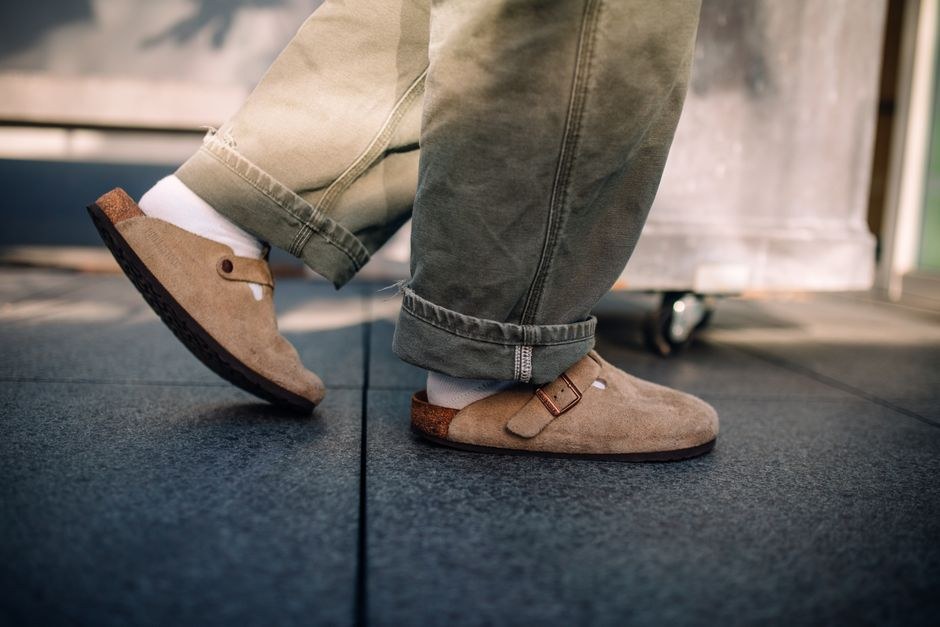
Men's faux suede moccasin slippers sell on look and feel. Here's how wholesale buyers should specify materials, construction and QC before placing bulk orders.
Men's faux suede moccasin slippers are one of the few slipper styles that can sit on a shelf next to a leather casual shoe and not look out of place. That is their commercial value. The problem is that the same look can be produced at wildly different quality levels, and from the outside, at the sample stage, they look almost identical. If you are building a men's line, the sourcing decisions that matter are made before you approve the first bulk order.
Why men's slipper wholesale buyers should take moccasin styles seriously
The men's slipper category is under-served in many markets. Retailers stock plenty of plush slip-ons and novelty prints, but fewer structured styles that a man will wear outside to collect the mail. A men's slipper wholesale programme built around moccasins can command a higher retail price than a basic house slipper because it reads as a shoe rather than a soft accessory. For importers, that means better margin per pair and a point of difference against competitors who only carry printed plush.
Material decisions that determine how faux suede moccasin slippers age in the box
Faux suede is a nonwoven or knit base coated with a polyurethane or similar finish. The cost difference between grades is real, but the bigger risk is inconsistency between the sample and the bulk run. When you specify, ask for these details in writing:
- Base fabric weight and composition — a heavier base holds shape better around the toe box; a light base collapses in the carton and looks cheap on shelf.
- Backing and lining — faux suede against bare skin can feel cold. A short faux fur or fleece lining is common for winter lines; a cotton or terry lining suits transitional seasons.
- Colour fastness — dark suede tones are prone to crocking onto light socks. Ask for a rub test result, not a promise.
- Nap direction — cut panels from different directions and the finished pair can look two-toned under store lighting. This is a cutting-room discipline issue, not a fabric defect, but the buyer sees it as one.
None of this is exotic. The point is to get it into the spec sheet so the factory has something to be measured against.
Construction checks for moccasin slipper sourcing
The moccasin look depends on the apron seam and the hand-stitched or stitched-look vamp. That seam is also the first place quality failures show up. Here is what to inspect on the golden sample and again at pre-shipment:
- Stitch density and evenness around the apron. Loose or uneven stitching is the most visible defect and the hardest to explain to a retail buyer.
- Seam strength. Pull the apron gently. If the seam grins open, the bulk order will produce returns.
- Sole attachment. A moccasin upper on a thin EVA sole can peel at the toe. TPR or rubber outsoles with a proper sidewall hold better and justify a higher price point, especially if the style is positioned for indoor-outdoor use.
- Toe box shape retention. Pack a pair in its retail carton, leave it for a week, then open it. If the shape has collapsed, your shelf presentation will too.
- Size grading. Men's sizes are less forgiving than unisex. Check that the last is graded properly across the range you plan to stock, not just the middle size.
If your supplier cannot show you a moccasin-style sample in more than one size, treat the quotation as provisional.
What to put in the purchase order before you commit
Most disputes on this style come from specifications that were agreed verbally. Write them down. A practical PO for faux suede moccasin slippers should include the fabric grade and colour reference, lining type, sole material and hardness, stitch specification, packaging format, and the inspection standard you will use at pre-shipment. If you are sourcing from Ningbo or Cixi, ask the factory to confirm which production line will run your order and whether the same line runs other buyers' moccasin styles at the same time. Shared lines are not a problem in themselves, but they explain why two orders with the same spec can differ.
Sampling is where you spend the least money and avoid the most risk. Approve a golden sample, sign it, keep it, and make sure the factory keeps an identical signed copy. When bulk arrives, the comparison is objective rather than a conversation.
Practical advice for your first men's moccasin order
Start narrower than you think you need to. One upper colour, one lining, two or three sizes, and a sole you have tested. Run the pair through your own wear test, not just the factory's, before you scale. When you compare suppliers, compare like for like: a quote for a light faux suede upper on an EVA sole is not the same product as a heavier upper on a TPR sole, and the price difference is usually smaller than the quality difference.
Ask for the sole hardness and the fabric weight in writing, and ask what happens if the bulk does not match the approved sample. A supplier who answers that question clearly is worth more than one who quotes a few cents lower. Finally, plan the calendar around the season: men's moccasin slippers are a cold-weather item, and the factories in the Cixi cluster fill up in the months before winter. If your retail window is fixed, your order date should be too.
Tags: faux suede moccasin slippers, men's slipper wholesale, moccasin slipper sourcing, cotton slipper manufacturer, OEM slippers