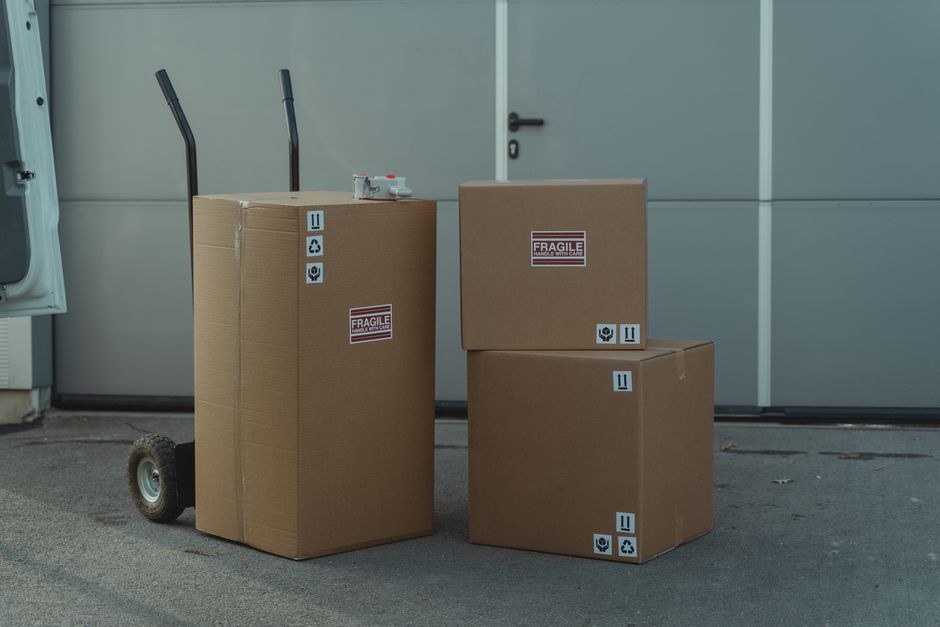
How to combine slipper orders from several Cixi factories into one clear export shipment: LCL vs FCL, consolidation steps, risk allocation and cost control.
Most buyers who source from more than one Cixi slipper factory end up paying for it at the port. Three suppliers, three shipments, three sets of documentation, and three chances for a late handover — that is the default outcome if nobody plans the Ningbo slipper export logistics around the order book. Consolidation is not complicated, but it has to be designed before production finishes, not after the first cartons are ready.
Why you should consolidate slipper orders in China
When you consolidate slipper orders China-style — several factories, one forwarder, one bill of lading — the savings are usually visible in three places. First, you pay one set of destination charges instead of three or four minimum charges, which matters most when each supplier shipment is small. Second, you deal with one document set at customs. Third, you control the handover date, so a slow factory does not silently push back your retail delivery window.
The trade-off is real too. One consolidated shipment means one shared risk pool: if a single factory is late, the whole container waits, or you ship without it. Consolidation rewards buyers who have realistic factory lead times and penalise those who assume every factory will hit the same date.
LCL or FCL: the decision that sets your cost base
An LCL slipper shipment Ningbo to Europe or North America is workable at low volume, but slippers are bulky relative to value. A groupage shipment of soft house slippers can hit chargeable weight quickly because cartons are light and the CBM adds up. In practice, most buyers cross over to a 20ft or 40HQ container once total volume passes a modest threshold — the exact line depends on your forwarder's rates, but the principle holds: LCL is a bridge, not a strategy.
Where LCL still makes sense
- Trial orders across two or three suppliers before committing to a full container programme.
- Mixed-model ranges where one supplier handles memory foam, another plush, and you want a combined retail launch.
- Peak-season top-ups where air freight is too expensive and a full container is too much stock to carry.
When to move to FCL
- When destination LCL charges and port handling start to rival the freight itself.
- When you need to control loading sequence so cartons arrive in the order your DC can receive them.
- When a single factory can fill most of the box and a second factory supplies the balance.
How multi-supplier consolidation actually works
The practical model is straightforward once you decide who owns the consolidation point. Say you buy from three Cixi factories. Each factory delivers finished cartons to a consolidation warehouse, usually in Ningbo, where the forwarder checks carton counts and labels, then loads one container or books one LCL slot.
- Agree the handover date first. Set a carton-ready date at each factory that leaves buffer before the vessel cut-off, not on it.
- Standardise carton labels and packing lists. One SKU list, one format, every factory. This is where most consolidation delays begin.
- Nominate the forwarder early. One forwarder handling all pickups and the port operation removes the finger-pointing when a truck is late.
- Decide the bill of lading structure. One B/L covering all suppliers is simpler, but it means your customs broker handles one combined entry rather than separate ones.
- Get a pre-loading check. Confirm carton counts and marks against each factory's packing list before the container seals.
If you only take one thing from this section: the consolidation warehouse is where you lose control or keep it. Inspect there, not at the factory gate, if you are combining orders.
Risk allocation across several factories
Consolidation shifts risk. With separate shipments, a late factory delays only its own goods. With one container, everyone ships on the slowest factory's schedule. Handle this contractually: state the carton-ready date, the warehouse delivery window, and what happens if a factory misses it — usually that its goods roll to the next shipment and the buyer pays the re-handling. Be explicit and fair, because a supplier that knows the rule will plan around it.
There is also a documentation risk. When one forwarder issues one B/L for three suppliers, you need each supplier's commercial invoice and packing list internally reconciled before customs filing. Discrepancies between a factory's invoice and the consolidated list are the most common cause of clearance delays in multi-supplier slipper programmes.
Practical closing advice for your next order
- Map your factories on one timeline before you place orders: sample date, bulk start, carton-ready, vessel cut-off.
- Choose LCL only while you are testing suppliers; set a volume trigger for moving to FCL and stick to it.
- Use one forwarder for all pickups and consolidation, and confirm who books the container.
- Standardise packing lists and carton marks across suppliers — this single step saves the most time.
- Build two to three days of buffer before the cut-off. Vessel schedules and port congestion do not negotiate.
- Ask your forwarder for a landed cost comparison of LCL versus FCL at your expected volume before you commit to either.
Consolidation is not about squeezing every cent from freight. It is about removing the dead time and surprise charges that come from running four separate logistics conversations. Get the handover dates, paperwork and forwarder alignment right, and the container leaves Ningbo on time with everything in it.
Tags: Ningbo logistics, slipper consolidation, LCL shipping, multi-supplier sourcing, export planning