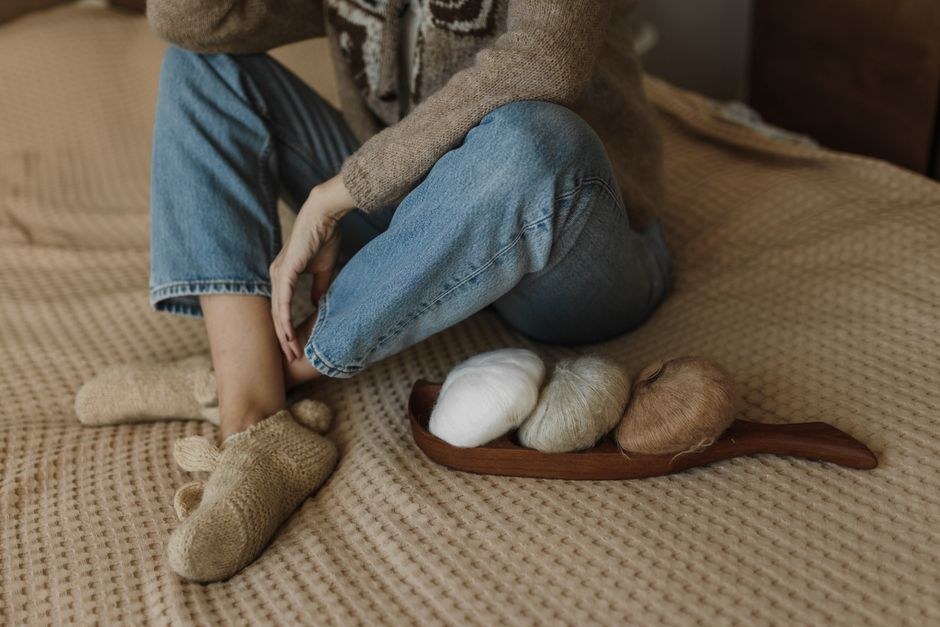
Compare cotton slipper material costs and OEM slipper construction methods to make smarter sourcing decisions. Learn how materials and build affect unit price.
Material choices drive the unit price of OEM cotton slippers more than most buyers expect. The gap between a basic cotton upper and a plush-lined one, or between an EVA sole and a TPR sole, can easily exceed the savings you negotiate on labor. This article breaks down cotton slipper material cost drivers and OEM slipper construction methods so you can compare quotes on equal terms.
Material Cost Drivers in Cotton Slippers
When you request a quote for wholesale cotton slippers, the factory prices four main components: upper fabric, lining, filling, and sole. Each has a range of options that swing cost by 15–30% in either direction. The key is to specify exactly what you need and understand the trade-offs.
- Upper fabric: Cotton canvas, knitted cotton, terry, faux suede, and plush all sit at different price points. Knitted cotton is often the most economical for simple designs, while faux suede costs more but supports higher retail prices.
- Lining: Unlined, cotton-lined, or plush/sherpa-lined. Plush lining adds warmth but increases material cost and can complicate sewing.
- Filling: Memory foam, regular foam, recycled foam, or cotton wadding. Memory foam is the most expensive per pair, but it commands a premium at retail.
- Sole: EVA, TPR, rubber, or fabric. EVA is lightweight and low-cost; TPR offers better grip and durability at a higher price.
Ask your supplier for a cost breakdown by component. A transparent quote lets you see where the money goes and negotiate intelligently.
OEM Slipper Construction Methods and Their Cost Impact
Construction method affects not only labor cost but also durability, comfort, and the minimum order quantity (MOQ) a factory can handle efficiently.
Cemented Construction
The upper is stitched to the sole using adhesive. This is the most common method for cotton slippers because it is flexible and suits small-to-medium volumes. Labor cost is moderate, and the method works well with a wide range of materials. However, adhesive quality and curing time influence durability, so specify a reputable glue and ask about testing.
Injection Construction
The sole is injected directly onto the upper, creating a strong bond without adhesive. This method requires expensive molds, so it only makes sense for high-volume, long-run orders (typically 10,000 pairs or more per style). Unit labor cost is lower, and the bond is very strong, but the upfront tooling investment can be significant. If you plan a multi-season program, injection can pay off.
Stitched Construction
The upper is sewn to a fabric or soft sole. This is common for lightweight or foldable slippers. Labor cost is higher per pair because of the sewing time, but material cost is lower. It suits spa and travel slippers where packability matters more than long-term durability.
When comparing quotes, make sure you are comparing the same construction method. A cemented slipper quote is not directly comparable to an injection quote.
Slipper Cost Comparison: Putting Numbers in Perspective
To make a meaningful slipper cost comparison, you need to normalize quotes across materials and construction. Here is a hypothetical example to illustrate the approach (not real prices):
- Basic cotton slipper: Knitted cotton upper, unlined, EVA sole, cemented construction. Target FOB price: low.
- Memory foam slipper: Cotton canvas upper, memory foam filling, TPR sole, cemented construction. Target FOB price: mid.
- Plush-lined slipper: Faux suede upper, plush lining, memory foam filling, TPR sole, injection construction (high volume). Target FOB price: high.
Plot these on a spreadsheet with columns for material cost, labor cost, packaging, and projected retail price. You will quickly see which combinations deliver the best margin for your channel. Remember that MOQ and tooling costs can skew the comparison for injection construction—amortize mold costs over the expected order quantity.
Also factor in testing and certification costs, especially for memory foam (flammability, off-gassing) and children's slippers (safety standards). These can add a few cents per pair but are non-negotiable for compliance.
Practical Steps to Optimize Cost Without Sacrificing Quality
Use these tactics to get the right balance for your OEM cotton slippers:
- Start with a clear specification: Define fabric weight (GSM), lining type, filling density, sole material, and construction method. Ambiguity leads to quote variances.
- Request samples at different price points: Ask for a basic and a premium version to compare hand-feel and durability.
- Negotiate MOQ based on construction: Cemented construction allows lower MOQs; injection requires higher volumes. Align your order plan with the method.
- Consider a hybrid approach: Use premium materials for your hero SKU and standard materials for volume drivers.
- Ask about material waste and yield: Factories that optimize cutting efficiency can offer better pricing on fabric-heavy designs.
Finally, visit or audit your supplier to verify that the materials quoted are actually used in production. Substitution is a common hidden cost saver for factories—and a hidden risk for you.
Making the Decision: What to Do Next
Start by building a cost model that separates material, construction, and overhead. Then request quotes from at least two Cixi slipper factories using the same spec sheet. Compare not just the unit price but also the proposed materials, construction method, and MOQ. Ask for a breakdown of material costs and labor. If a quote seems too low, probe for substitutions or shortcuts. For injection construction, calculate the total cost including molds and amortize over your forecast. And always validate with a pre-production sample before committing to bulk. With a structured comparison, you can choose the material and construction mix that maximizes your margin while meeting your customers' expectations.
Tags: cotton slipper material cost, OEM slipper construction, slipper cost comparison, OEM cotton slippers, wholesale cotton slippers