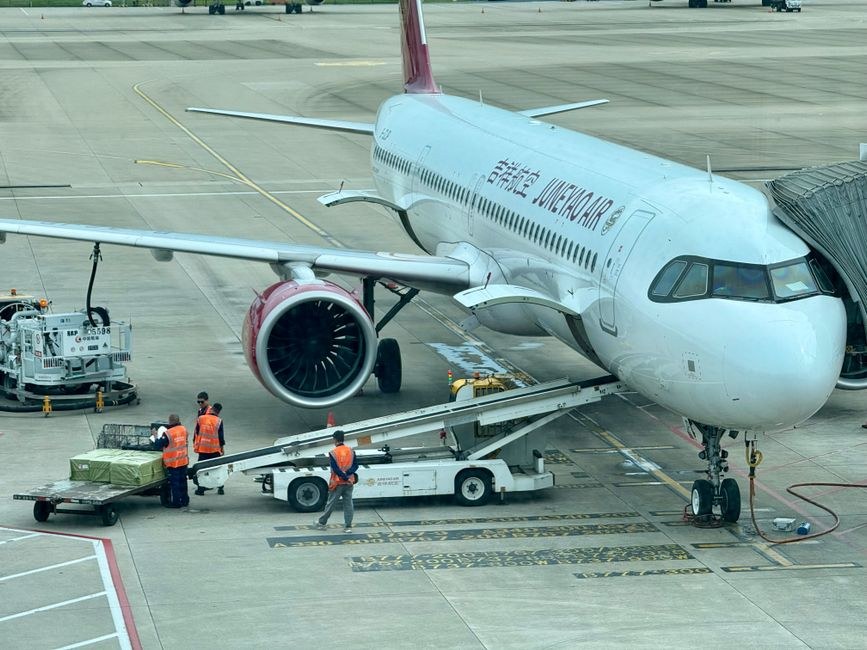
How late or urgent wholesale cotton slipper orders move by air from China: realistic timelines, cost ranges, packaging limits and when air freight beats waiting for sea.
An April slip on a supermarket slipper programme is almost always more expensive to fix than the original order was to place. Not because the factory charges a premium for speed, but because a rush order cotton slippers shipment moves by air, and air is the single biggest cost lever you have left once the goods already exist. The question buyers should ask is not "can we air freight it" — of course you can — but whether the margin on that order, or the relationship with that buyer, is worth the air bill.
Why rush orders happen, and what you can still control
By the time a buyer starts searching for air freight slippers China options, the situation is usually one of four kinds. A retail promotion was confirmed late internally. A competitor's container was short-shipped and you were asked to fill the gap. A test sell-through was stronger than planned and the reorder window closed. Or a shipment failed inspection and had to be remade.
Only one of those is really the factory's fault. The other three are timeline failures inside your own planning. That matters because it decides who absorbs the air cost. If you missed a forecast deadline, the freight premium sits on your P&L. If the factory missed a confirmed production date, it is a commercial conversation, and a credible Cixi manufacturer will usually share the pain rather than lose the account.
Before agreeing to air, confirm three things in writing: exact carton dimensions, gross weight per carton, and whether the goods are ready for pickup today or still in the finishing room. Quotes built on estimates rather than packed-carton data are the number one reason urgent slipper shipping budgets blow up.
What air freight can realistically do for you
Air is fast, but it is not instant, and the clock starts at pickup, not at order confirmation.
- Airport to airport pickup from factory to a major European or North American gateway: typically 3 to 7 days in the air and transit combined, plus 2 to 4 days of export customs, security screening and import clearance.
- Express courier door to door (the DHL/FedEx style service): often 4 to 8 days total, but priced by the kilogram at rates that punish bulky cargo.
- Consolidated air with a forwarder: a day or two slower than express, meaningfully cheaper, and the right answer for 30 to 200 cartons.
The trap is volume weight. Slippers are light but bulky, and air carriers charge on whichever is higher: actual weight or volumetric weight. A carton of plush slippers can occupy the space of a carton three times its weight. Compression packing — vacuum bags, tighter polybag specs, removing polyfill inserts — can cut your billable weight by a third before the shipment even leaves the factory floor.
Rule of thumb for buyers: air freight rarely makes sense above roughly 15 to 20 percent of the invoice value. Above that, the landed cost per pair usually stops being sellable at your intended retail price.
Cost ranges and how to keep them defensible
Air rates move weekly with fuel, capacity and season, so treat any number as a range rather than a quote. As a planning anchor for a mid-size supermarket chain moving a few hundred cartons from Ningbo: express courier is the most expensive per kilogram, consolidated air sits noticeably below it, and airport-to-airport with your own broker and pickup is the cheapest of the three — but it shifts the last-mile work onto your team.
Three levers consistently reduce the bill:
- Ship partial. Air freight only the quantity needed to protect the promotion date; send the balance by sea. Splitting is almost always cheaper than airing everything.
- Fix the packaging before you quote. Confirm carton size, stack the cartons once, and measure. Volumetric surprises come from guesses.
- Book the space, not the promise. During peak season, a booked allocation is what saves you, not a lower verbal rate that gets rolled a week later.
Also settle duties and clearance before the goods fly. Air shipments arrive faster than paperwork errors get resolved, and storage at the destination airport is charged by the day.
What to do before you commit to emergency freight
Decide the priority out loud with your team. If the promotion is fixed and the inventory must be there, accept the air cost and move. If the promotion can shift by three weeks, sea freight plus a modest discount from the buyer on the next order is nearly always the better trade.
Then make the air shipment less likely to happen again. Give your manufacturer a rolling 90-day forecast, even if it is approximate. Confirm order quantities earlier than feels comfortable. Reserve buffer stock on your top two or three best-selling skus rather than air freighting your whole winter line in November. And when you place a rush order, ask the factory for the packed-carton data at the same time as the price — it takes them an hour and saves you real money at the airport.
Air freight is a tool, not a strategy. Use it for the order that truly cannot wait, and treat every rush shipment as a signal that the forecast upstream of it needs tightening.
Tags: rush orders, air freight, slipper logistics, wholesale slippers, supply chain