Compare sea, air, and rail freight for importing cotton slippers from China in 2025. Learn transit times, costs, and reliability to choose the right method.
When you're sourcing wholesale cotton slippers from China, the shipping method you choose can make or break your margins and customer satisfaction. Slippers are bulky but relatively low-value, so freight eats a larger share of landed cost than with electronics or apparel. The wrong choice means either overpaying or missing your selling season. Here's a straightforward comparison of sea, air, and rail freight in 2025, with an eye on what each means for your order.
Why Shipping Method Matters More for Slippers
Slippers are lightweight per unit but take up volume. A typical 40-foot container holds thousands of pairs, depending on packaging. Because the product is inexpensive, air freight—often several times the cost of sea—can quickly erase your profit unless you're shipping urgent, high-margin stock. On the other hand, sea freight takes weeks, which can be too slow if you're chasing a trend or restocking a hot seller. Rail sits in between on both cost and speed, but it's not available to every destination. Your decision should hinge on three factors: how much you're shipping, how fast you need it, and where it's going.
Sea Freight: The Workhorse for Bulk Cotton Slippers
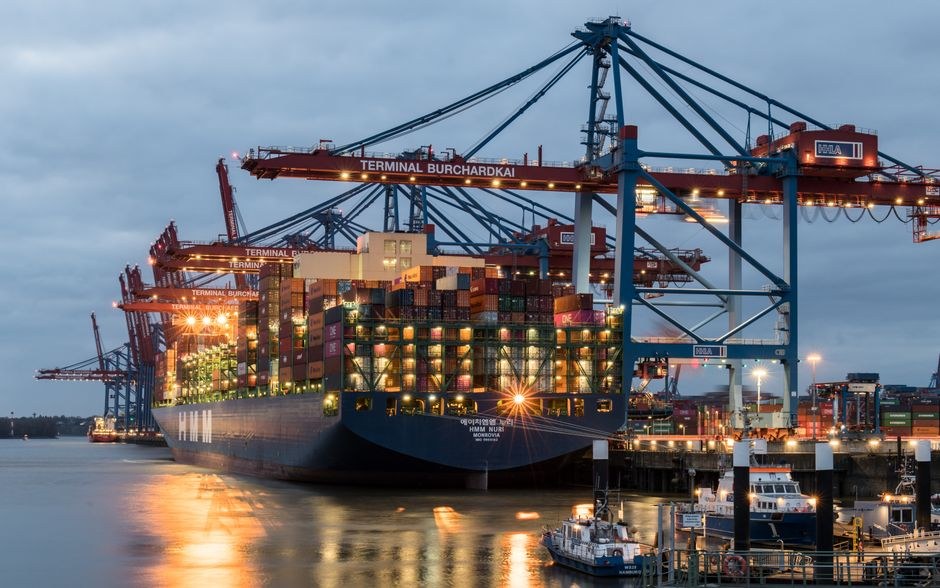
For most importers, sea freight is the default. It's the cheapest per unit and can handle full container loads (FCL) or less-than-container loads (LCL). Transit times from Ningbo or Shanghai to major ports are roughly 30–40 days to the US West Coast, 35–45 days to the US East Coast, and 30–40 days to Northern Europe. Add a week or two for port congestion, customs clearance, and inland trucking. If you're a wholesaler planning seasonal stock, sea gives you the lowest landed cost, but you need to order 8–10 weeks before you need the goods. LCL is an option for smaller orders, but you'll pay higher per-cubic-meter rates and risk delays from consolidation. For a mid-size supermarket chain ordering 5,000 pairs, FCL sea is almost always the right call.
Air Freight: Fast but Pricey
Air freight gets your slippers from factory to warehouse in 5–10 days door-to-door. That speed is valuable if you're launching a new design, restocking a surprise bestseller, or supplying a hotel that needs immediate replacement. However, the cost per kilogram is high. For a product that retails at a modest price, air freight can add several dollars per pair, which may be unsustainable unless your selling price supports it. Air is best reserved for urgent, high-value, or low-volume shipments—say, a few hundred pairs of custom logo slippers for a corporate event. Also consider air's dimensional weight: slippers are bulky, so you'll pay for volume, not just weight.
Rail Freight: The Middle Ground
Rail freight from China to Europe has matured, offering transit times of 18–25 days to major hubs like Duisburg or Warsaw. It's cheaper than air and faster than sea, making it attractive for mid-sized orders that need to hit a season but can't wait for a slow boat. However, rail has limitations: it's not available for trans-Pacific routes, and capacity can tighten during peak periods. Reliability has improved, but schedule variability still exists. If you're shipping to Europe and sea is too slow but air is too expensive, rail is worth a quote. For a European brand owner, rail might hit the sweet spot between cost and speed for a 2,000-pair order.
Comparing Costs: What to Expect
Exact rates fluctuate with fuel, demand, and geopolitical factors, but here's a general sense of the cost hierarchy for a shipment of cotton slippers:
- Sea freight (FCL): Lowest cost per pair. Best for orders over 3,000 pairs.
- Sea freight (LCL): Higher per-unit cost, but flexible for smaller volumes.
- Rail freight: Typically 30–50% more than sea, but 60–70% less than air.
- Air freight: Highest cost, often 4–6 times sea. Only for urgent, high-margin goods.
Remember that these are freight costs only. You'll also pay origin charges, customs brokerage, duties, and inland delivery. Always ask your supplier or freight forwarder for a door-to-door quote. And don't forget that MOQ and packaging affect shipping: compression bags can reduce volume, letting you fit more pairs per container or air pallet.
Making the Right Choice for Your Business
Start by mapping your needs: when do you need the goods, and what's your budget? If you're planning months ahead and cost is king, sea is your friend. If you're reacting to immediate demand and your margin can absorb it, air gets you back in stock fast. For European buyers, rail offers a practical compromise. Many importers use a mix: sea for the bulk of seasonal stock, air for urgent top-ups. Also consider your supplier's location—Cixi, Ningbo, is a major slipper manufacturing hub with excellent access to Ningbo-Zhoushan Port, which speeds up sea and rail departures. Work with a house slipper manufacturer who understands export logistics and can consolidate shipments or suggest packaging optimizations. Finally, build buffer time into your schedule. A last-minute scramble to air freight can wipe out your profit, so plan your orders with a realistic shipping window. The right shipping method isn't just about cost—it's about getting your slippers to your customers when they need them, without bleeding your margin dry.
Tags: cotton slippers shipping, freight forwarding China, sea vs air freight, rail freight Europe, wholesale slippers logistics