Compare sea, air, rail, and express freight for shipping cotton slippers from China. Learn cost, transit time, and suitability for different order sizes.
Shipping cotton slippers rarely breaks a container, but it does break budgets when you pick the wrong mode. Slippers are bulky and light; you pay for empty space as much as for weight. Freight is therefore a design decision: get it right and your landed cost stays predictable; get it wrong and a strong factory price turns into a loss. Here is a practical comparison of the modes, plus shipping cotton slippers tips that hold up in real orders.
Freight options China: how the four modes compare for slippers
Your realistic choices are sea, air, rail, and express. For most wholesale buyers, sea freight is the default for bulk orders and air or express fills gaps. Rail is worth a look for Europe and Central Asia, but it suits slippers less well than it suits heavier goods.
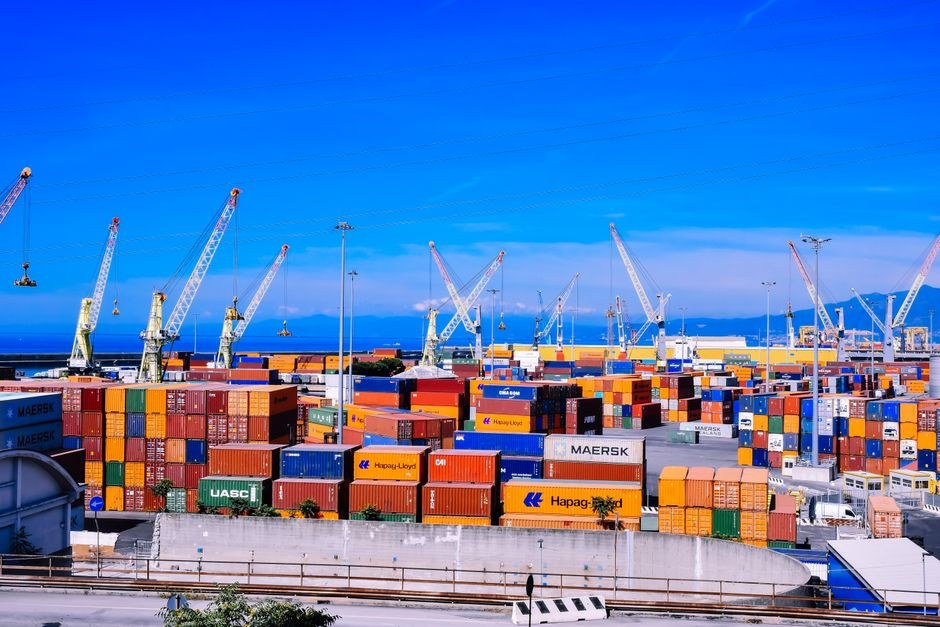
Sea freight is priced either by container (FCL) or by volume (LCL). Slippers compress well, so a 40HQ container can hold thousands of pairs depending on packaging and how well cartons are sized. Transit time from Ningbo to a European port is typically several weeks, and to the US West Coast somewhat less. Sea is the cheapest per pair and the right mode for planned seasonal stock.
Air freight is priced by chargeable weight (the greater of actual and volumetric weight). Because slippers are light and bulky, volumetric weight usually governs, and air can cost many times more per pair than sea. It still makes sense for samples, pre-season top-ups, and urgent replenishment where margin can absorb it.
Rail to Europe sits between sea and air on both cost and time. It works for interior destinations, but capacity and schedules are less flexible than ocean. Express (courier) is for small parcels only: samples, e-commerce test orders, or a few cartons to a trade show.
- Sea FCL: lowest cost per pair; best for full container loads; long transit.
- Sea LCL: flexible for smaller volumes; watch minimum charges and destination fees.
- Air freight: fast but expensive for bulky slippers; use for urgent stock only.
- Rail: middle ground to Europe; less predictable than sea.
- Express: parcels and samples; not for bulk.
Matching the mode to your order size
For a first order of a few thousand pairs, LCL sea freight is usually the sensible choice if you can wait. If you need to test a market quickly, ship a small air consignment of your best two or three SKUs, sell through it, then commit to sea for the repeat.
Once orders reach container scale, move to FCL. It removes LCL consolidation delays and destination handling fees, both of which quietly erode margin. If you are building a supermarket programme with steady monthly volumes, plan FCL shipments spaced to match your sell-through rather than one large annual order that ties up cash and warehouse space.
Keep packaging in mind: slippers are often shipped in polybags inside cartons. Reducing carton size or using compression packaging can cut volume and therefore freight cost, especially on LCL and air. Ask your supplier to quote freight on the packed volume, not the product volume.
Slipper shipping tips to protect margin and schedule
Freight quotes are only as good as the assumptions behind them. The most common surprise is dimensional weight: a light carton can be charged at a much higher volumetric weight than its actual weight, particularly on air and express. Always confirm chargeable weight before you approve a quote.
- Quote on packed dimensions. Confirm carton size, quantity per carton, and total volume. This is where cheap quotes fall apart.
- Check the Incoterm. FOB, CIF, and DDP allocate cost and risk differently. Know who pays destination charges.
- Allow for seasonality. Rates tighten before major holidays and around Chinese New Year. Book early.
- Insure the cargo. Slippers are low-value per cubic metre but not worthless; insurance is cheap relative to the risk.
- Plan around Chinese New Year. Factories close for several weeks; a late booking can push your shipment into peak pricing.
How to get freight right on your next slipper order
Treat freight as part of product cost, not an afterthought. Before you confirm a purchase order, get a quote based on packed carton dimensions and ask for both sea and air options so you can see the trade-off. For most wholesale cotton slippers destined for retail shelves, sea freight will win on cost; air is a tool for urgency, not a default. Build a simple landed-cost sheet that includes freight, insurance, and destination charges, and update it each season as rates move.
If you are unsure which mode fits your volume and timeline, ask your supplier for a freight comparison alongside the production quote. A factory that ships regularly can tell you what actually works for your order size, and that saves more money than shaving a few cents off the unit price.
Tags: shipping cotton slippers, freight options China, slipper shipping tips, wholesale slippers, sea vs air freight