Compare sea, air and rail freight for shipping cotton slippers from China in 2026 — cost, transit time and which mode fits your order size and season.
Most importers overpay on slipper freight not because they chose the wrong forwarder, but because they chose the wrong mode. Cotton slippers are bulky and light — a classic low-density cargo that punishes air freight and rewards anyone willing to plan around a sea schedule. Here is how to match the mode to the order.
When you are shipping cotton slippers china-to-warehouse, the first question is never rate per kilo. It is volumetric weight versus chargeable weight, and whether your delivery window can survive a 30-day ocean leg. Get that wrong and a 20% saving on freight becomes a 40% loss on markdowns.
Sea vs air freight slippers: the cost and time trade-off
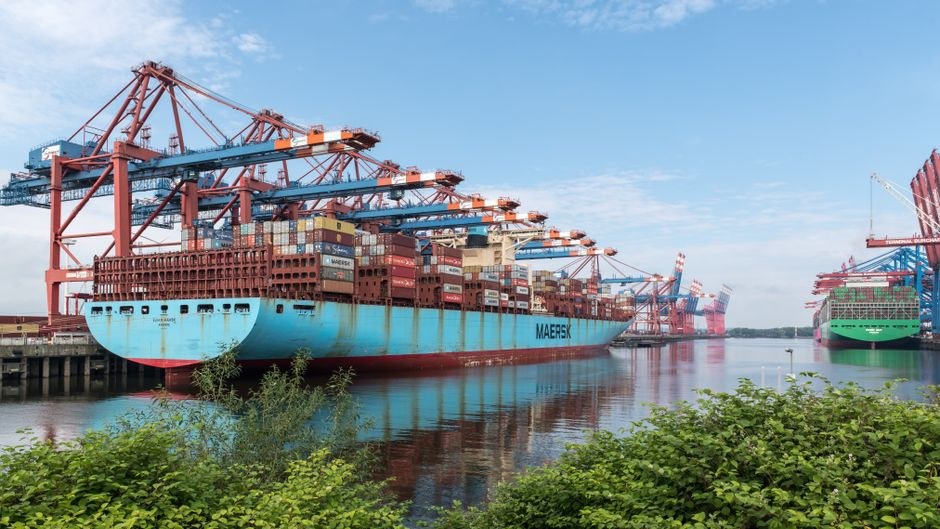
LCL sea freight remains the default for mid-size slipper orders. You pay per cubic metre, not per kilo, which suits a product that fills a container long before it hits the weight limit. Transit from Ningbo to a European base port in 2026 typically runs somewhere in the five-to-seven-week band door to door once you add booking, sailing, customs and inland delivery. To a US West Coast port it is shorter; to the East Coast, longer via the Panama or Suez routing depending on schedule.
Air freight is chargeable on volumetric weight at a 1:6000 or 1:5000 divisor depending on the carrier. A carton of slippers that weighs a few kilos but measures a fraction of a cubic metre will bill at several times its actual weight. That is why sea vs air freight slippers is rarely a close call on cost — air can easily run five to ten times the freight cost per pair. It only makes sense for samples, urgent replenishment of a proven bestseller, or high-value branded lines where the freight is a rounding error against retail price.
Rail — mainly the China–Europe corridor via Kazakhstan, Russia and Belarus or the Middle Corridor — sits between the two. Transit is commonly in the three-to-four-week range to a European inland terminal, with roughly double the cost of sea and a fraction of air. In 2026 rail is a genuinely useful middle option for European buyers, but it comes with schedule variability and geopolitical routing risk that sea does not.
- Sea (LCL): lowest cost per pair, longest transit, best for containers and larger LCL shipments.
- Sea (FCL): cheapest per unit once you fill a box, avoids LCL consolidation damage and delay.
- Rail: mid-cost, mid-speed, Europe-focused, schedule less predictable than sea.
- Air: fastest, most expensive, punitive for bulky slippers — reserve for samples and emergency stock.
Matching slipper shipping methods to order size
Think in terms of how full a container your order represents. A few hundred pairs is a parcel or express courier job — not because it's cheap, but because the fixed costs of LCL documentation, origin handling and destination fees swamp a small shipment.
Once you are into the low thousands of pairs, LCL becomes viable, though you should watch for destination CFS charges that can add a surprising amount to a small consignment. As volume grows, the break-even between LCL and a 20ft container usually arrives well before the box is physically full — slippers compress, so cube fills at a lower pallet count than weight-based cargo.
Full container loads are where sea freight wins decisively. A 40ft high-cube holds a lot of folded slippers, and the per-pair freight cost collapses. If you are running a supermarket programme or a private-label line with predictable reorders, the goal should be to plan production so orders aggregate into FCL shipments rather than trickling out as LCL.
One practical caveat for 2026: slipper shipping methods are increasingly chosen around volatility, not just rate. Spot ocean rates have swung hard in recent years, and forwarders are quoting shorter validity windows. Build your landed cost model with a rate buffer, and ask your supplier to hold production-ready status so you can book when the rate is right.
Seasonal timing: why mode choice is really a calendar decision
Winter slippers have a hard selling window. If they land in November, they sell; if they land in January, they get marked down. That single fact drives most sensible freight decisions.
Working backwards from a retail launch, sea freight to Europe realistically needs production completed roughly eight to ten weeks before the goods are needed on shelf, allowing for the sailing, port congestion, customs clearance and inland transport. Chinese New Year compounds this: factories close for a period in late January or February, and bookings spike before and after. Buyers who want autumn stock should be booking ocean freight in summer, not waiting until the factory is at capacity.
Air freight is the tool for the order that missed the window. It is expensive, but it is cheaper than a season of dead stock. The better answer is to avoid needing it — and that means locking your production slot against a sailing schedule, not against your purchase order date.
Rule of thumb: choose the mode that gets the goods onto the shelf before the first cold snap, then negotiate the rate. Never the other way around.
Practical steps before you book
- Confirm your Incoterms. FOB, CIF and DDP place different parties in control of the freight decision. If you are on DDP, your supplier's forwarder picks the mode — and it may not be the one you would choose.
- Get volumetric data from the factory. Carton dimensions and quantity per carton determine chargeable weight. Ask for this before you ask for a rate.
- Quote at least two modes for every order. The comparison forces you to articulate the value of time, which is the real decision.
- Add export documentation and customs clearance to both scenarios. Air and sea incur different destination charges; a cheap air rate can lose to sea once you include them.
- Plan reorders around lead time, not stock levels. By the time shelves look thin, sea freight is too late and you are paying for air.
Tags: shipping slippers, freight, logistics, cotton slippers, sourcing