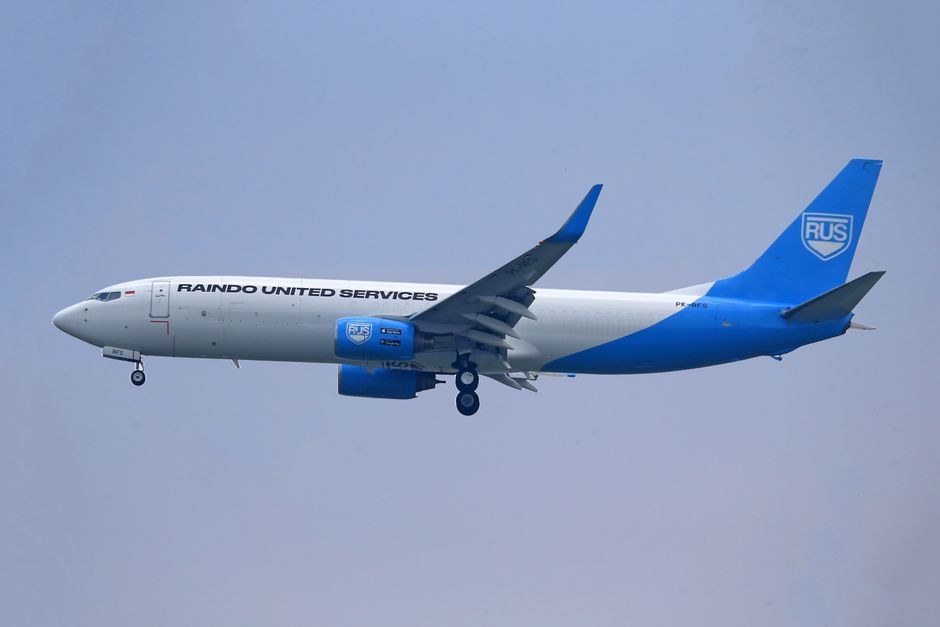
Compare slipper air freight and sea freight for urgent reorders. Learn when air freight pays off, how to calculate the true cost, and how to plan slipper reorder logistics.
When a container of cotton slippers runs out two weeks before peak season, the instinct is to book the fastest flight and worry about the invoice later. That instinct is sometimes right and sometimes a costly mistake. slipper air freight, like all air freight, trades money for time, but the trade only makes sense if you first quantify what the delay would actually cost you. For urgent slipper shipping, the goal is not speed for its own sake—it is protecting the margin on the reorder and the shelf space you have already committed to.
Urgent slipper shipping: when speed justifies the premium
Air freight is a tool for a specific job: covering a demand spike or a stockout that would otherwise cost you more than the freight premium. Ask three questions before you call a forwarder. First, what is the retail value of the pairs you are short? Second, what is the daily cost of being out of stock—lost sales, chargebacks, or a supermarket buyer who reallocates your facings? Third, how firm is the delivery date? If the answer to the third question is "flexible within three weeks," sea freight is almost always the better buy.
Air makes most sense for high-value, low-volume lines—perhaps a small run of branded spa slippers or a limited holiday color—rather than for a full container of basic cotton slippers. It also makes sense when the reorder is already sold through to a retailer with a fixed delivery window and penalties for late arrival.
Air freight vs sea freight: a side-by-side cost view
A fair comparison is not freight cost per kilogram versus freight cost per container. It is total landed cost including the cost of capital tied up in inventory, warehousing, and markdown risk. Use a simple framework:
- Freight and surcharges: Air charges by chargeable weight (actual or volumetric, whichever is greater). Sea charges per container plus terminal and documentation fees.
- Time in transit: Air is measured in days; sea in weeks. That difference determines how long your money sits in stock.
- Inventory carrying cost: Estimate your annual cost of holding inventory—capital, storage, insurance, obsolescence. Divide it by 365 and multiply by the days saved.
- Stockout cost: The lost gross margin per day of being out of stock, plus any retailer penalties.
- Handling and customs: Air shipments often clear faster but may incur higher terminal handling per kilogram. Sea shipments need more lead time for port and drayage.
Run the numbers with your own figures rather than a rule of thumb. Say a mid-size supermarket chain is short 20,000 pairs of cotton slippers eight weeks before winter. Sea freight from Ningbo would arrive too late; air freight would land in time. The air premium is a real number on the invoice, but the comparison should be against the margin lost on those 20,000 pairs—not against a vague feeling that air is expensive.
What slipper reorder logistics actually look like
Urgent reorders are rarely a clean repeat of the original order. Packaging may have changed, the logo may have been updated, or the outsole supplier may be out of stock. That means even a rushed reorder needs a compressed but real approval step: confirm the bill of materials, approve a pre-production sample or a golden sample reference, and lock the ship date in writing.
For the freight itself, ask your factory to quote both air and sea options at the same time, including the forwarder's name and the expected routing. Be explicit about the incoterm. Under FOB, your forwarder controls the booking; under DDP, the supplier arranges everything but the cost is buried in the unit price. For a rush order, FOB or CIF usually gives you more visibility.
Also consider air freight's practical limits. Slippers are bulky relative to their value, so volumetric weight often exceeds actual weight. A carton designed for a full container may be inefficient for air. Ask the factory to pack tighter—remove excess tissue, nest pairs where the design allows—and confirm the carton dimensions before the forwarder measures them. Small packing changes can move a shipment into a lower chargeable weight bracket.
How to decide fast and avoid repeating the exercise
Start with a simple threshold: if the air premium is less than the gross margin you would lose during the stockout period, book the air. If it is more, look for alternatives—partial air, partial sea, or a short-term substitute product. Do not let a rushed decision become a habit.
The better fix is to prevent the emergency. Keep a buffer stock of your best-selling lines, and set a reorder trigger based on your supplier's actual production lead time plus freight transit time, not the optimistic numbers in a quote. Review your slipper reorder logistics once a season: which SKUs ran out, how often, and what the air freight really cost compared with the margin it saved. That record becomes your best negotiating tool with both the factory and your own finance team.
Finally, treat air freight as a legitimate part of your supply chain design rather than a failure. Buyers who plan for a small percentage of air shipments—and negotiate a standing rate with a forwarder—usually pay less when the emergency comes than those who book at the last minute. The goal is not to avoid slipper air freight; it is to use it deliberately, with the cost analysis already done.
Tags: slipper air freight, urgent slipper shipping, slipper reorder logistics, cotton slippers sourcing, freight cost analysis