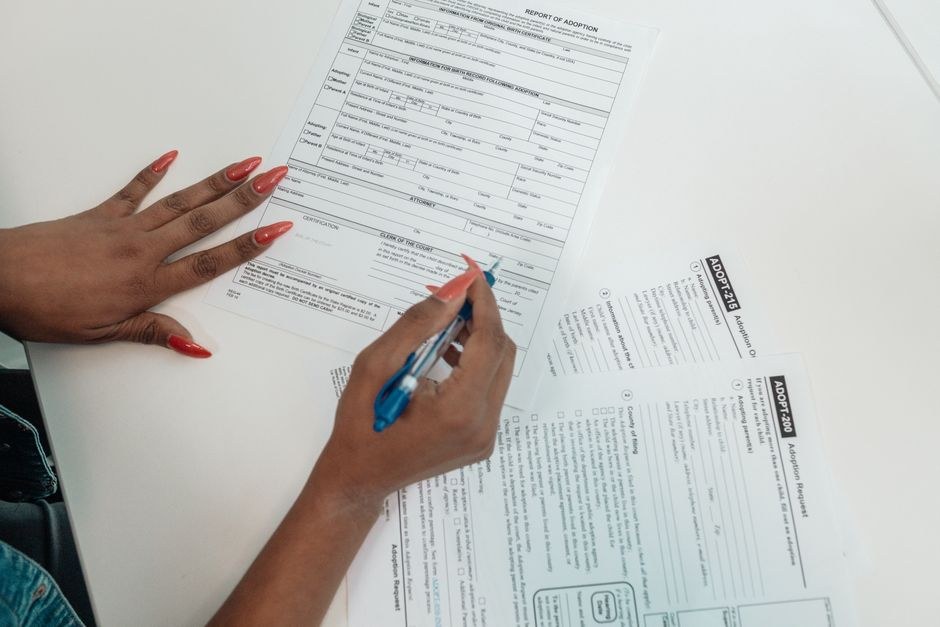
The paperwork that actually clears slipper shipments, who prepares it, and the errors that hold containers at the port.
Most shipments delayed at Ningbo or Shanghai are not waiting on a vessel. They are waiting on a document. I have watched a full container of cotton slippers sit at the port for nine days over a commercial invoice that disagreed with the packing list by four cartons, and the duty alone did not cover the demurrage. Slipper export documentation is boring right up until it costs you money, and most of what you need is decided long before the truck arrives at the factory gate. What follows is the working checklist we walk buyers through, in the order the papers get produced. None of it is optional if you want a clean customs clearance slippers file.
Who Actually Prepares China export documents
Your supplier prepares the commercial invoice, packing list, and a basic export declaration. That is its job, and any factory in Cixi does it daily; a container leaves our floor roughly five days a week, so none of this is exotic. What the factory does not always have is your letter of credit wording, your broker's HTS classification, or a certificate of origin in the right format for your market. Those three items cause more delay than everything else combined, and they sit on your side or your broker's side, not the factory's.
- From the factory: commercial invoice, packing list, export customs declaration, factory test report, and the booking confirmation.
- From your broker: HTS classification per SKU, certificate of origin format, and any destination-specific pre-clearance filings.
- From your bank: LC terms, if you are using one, and the exact document list the LC calls for.
- From the forwarder: bill of lading or telex release instructions, and the arrival notice timing.
If any of those four parties is working from a different document list, the shipment will stall. Fix that before production starts, not after.
Documents that match your PO, not the factory's defaults
The commercial invoice is the spine of the whole file, and the most common failure is the shipper writing it from the factory's standard template. That template says things like "house slippers, assorted" and "large quantity" even when your PO has eight SKUs, six colours, and a printed unit count per carton. Customs officers and your own receiving team both need itemised lines: material (cotton upper, TPR sole), size range, colour, quantity per SKU, unit price, and total value. The HS code matters too, and it is the same for the whole family of soft house footwear in most markets, but the specific code must come from your broker, not the factory.
Match the invoice to the packing list line by line. Every carton count, gross weight, and net weight should reconcile. When they do not, the file goes into what brokers politely call "additional scrutiny," which translates into days on the dock. If a buyer is importing memory foam slippers under the same PO as plain cotton ones, list them separately; the material composition is different and it affects duty treatment in some markets, packaging handling in others.
Certificates are where importers over-request and under-verify. Most bulk slipper shipments need a certificate of origin, and that is it unless your market has a specific rule. Ask your broker what your destination actually requires before you ask the factory for documents it may not be able to produce. Do not assume you need a formal test report for every SKU; your end customer and your customs authority decide that, and it is cheaper to specify the correct test in the PO than to chase a certificate afterwards.
When the paperwork has to travel
Timing is predictable if you plan it. Allow the factory two to three working days after vessel booking to issue the invoice, packing list, and declaration. The forwarder's bill of lading follows once the container is loaded, usually within two days of sail. The certificate of origin can run in parallel but is often the last document to arrive, and it requires your broker's input early. For an LC shipment, bank scrutiny adds another two to three working days after all original documents are presented. Build all of that into the departure schedule, and the file is typically complete a full week after loading, not on the day of loading.
- Before production: agree document list, HTS code, and LC terms in writing.
- Ten days before vessel: check that PO details match the upcoming invoice draft.
- Two days after loading: confirm bill of lading against booking.
- Five days after sailing: chase the certificate of origin and any remaining originals.
- Before arrival: send the full set to your broker for pre-clearance review.
The three mistakes that stall slipper shipments
The first is a shipping mark that does not match the packing list. Buyers change the label wording after the factory has printed cartons, the file disagrees with the physical boxes, and customs asks why. Lock your shipping marks in the PO; changing them later means reprinting, re-packing, and re-documenting three documents at once. The second is an HS code supplied verbally and never confirmed. Get it in writing from your broker, then check that the invoice and declaration use the same eight or ten digit code. A mismatch here can trigger a hold on arrival, and the fix is slower than the original mistake. The third is treating certificates as an afterthought. If you need a certain test report or origin certification, it should be a named line item in the PO with a delivery date, not a favour requested after the container sails.
What to put in the PO to make exports boring
Add a one-page document schedule to your PO and require your supplier to sign off on it. Specify invoice content, HTS code, shipping mark wording, certificate type, and the precise packing list fields you expect. State who arranges the certificate of origin and who pays for it. If you work with an LC, attach the exact wording the bank requires so the factory can confirm it can meet every clause before production starts. Finally, ask for draft documents by email before originals are printed. Reading a draft PDF costs nothing; amending originals after they are couriered costs time, fees, and a container waiting at the terminal.
Tags: cotton slippers, export documentation, customs clearance, China sourcing, buyer guide