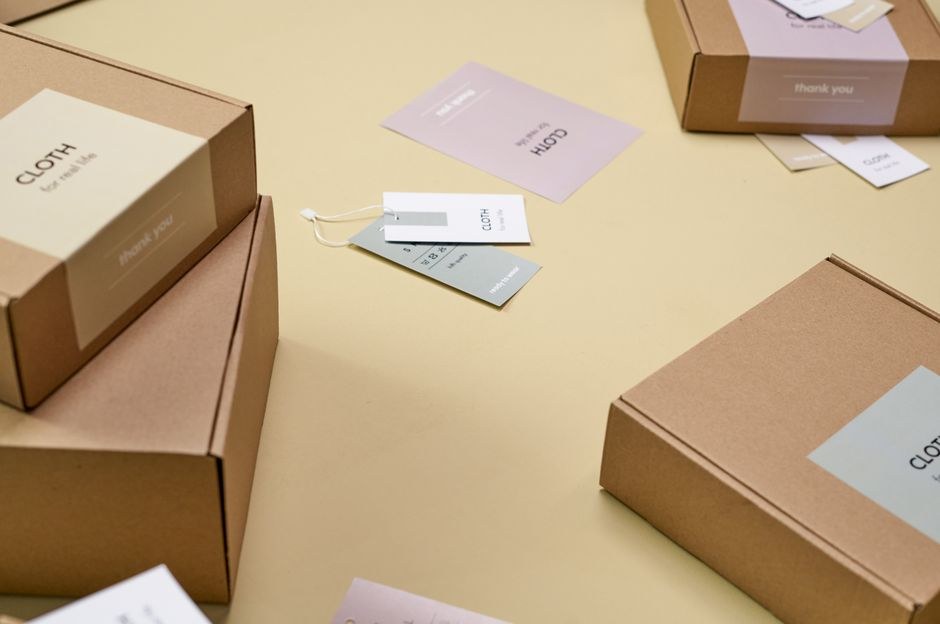
Packaging can make or break your slipper order. Compare poly bags, hang tags, recycled board and eco options, and see where wholesale slipper packaging costs really land.
Packaging is the part of a slipper order that buyers approve last and regret first. You spend weeks on sole hardness and lining GSM, then sign off a poly bag that splits in the container and turns a retail-ready pair into a repack job at your own warehouse. The fix is to treat slipper packaging materials as a spec line, not an afterthought.
What slipper packaging materials actually do for your order
Packaging carries three jobs at once: protect the pair in transit, present it on shelf, and communicate compliance. Different channels weight these differently, and the brief should say which one wins.
- Transit protection. Compression, moisture and abrasion during sea freight. A 40HQ container in summer can sit well above 40°C inside; thin LDPE bags soften and split at the seam.
- Retail presentation. Hanging or shelf-ready. Supermarket buyers often want a Euro hole or a shelf-ready tray; boutique buyers want a printed tissue wrap and a hang tag.
- Compliance and labelling. Fibre content, country of origin, care claims, barcodes, recycling marks. These are printed on the packaging, so the pack is part of your compliance file.
Sort this out before sampling. Retooling a printed hang tag after you have approved a golden sample means a second print run and a fresh approval round.
Comparing the common pack formats on cost and function
Most wholesale slipper packaging falls into a handful of formats. Each has a rough cost band and a set of failure modes worth knowing.
Bags and wraps
- Poly bag (LDPE). The cheapest option and the default. Use a gauge thick enough to survive container heat, and print suffocation warnings where your market requires them.
- Recycled LDPE or bio-based bag. A modest step up in price. Confirm the recycled content claim in writing; “eco” printed on a bag means nothing without a certificate.
- Tissue and kraft paper wrap. Cheaper than a printed box, better perceived than bare poly. Weak against moisture in sea freight, so it usually needs an outer bag.
- Non-woven or cotton drawstring bag. Higher cost, strong for spa and hotel programmes, and usually reusable.
Tags, labels and boxes
- Hang tag. Low unit cost, high brand impact. FSC-certified board and soy-based ink are available without much premium.
- Printed colour box. The most expensive common format by a wide margin. Tooling and minimum print runs apply, so it suits firm programmes, not tests.
- Recycled kraft box. Cheaper tooling than a full-colour box, and a credible eco slipper packaging story if the board is genuinely post-consumer.
- Shelf-ready tray or display. Supermarket-specific. Ask your factory to quote the tray and the master carton together, because they interact.
Where wholesale slipper packaging costs actually land
Buyers usually ask for a unit packaging cost and get a number that hides the real spend. Break the quote into four lines.
- Material per unit. Bag, tag, box, tissue. This is the number suppliers quote first.
- Print and tooling setup. Plates, dies, minimum print runs. A one-off, but it kills small trials.
- Labour. Bagging, tagging, folding, boxing. Handwork on a foldable or drawstring format adds cost per pair.
- Master carton and cube. The quiet one. A boxed pair takes more carton space than a bagged pair, so you ship fewer units per container and your freight per pair rises.
That last line is where budgets break. Say a mid-size supermarket chain switches from poly bag to printed box for a private-label line. The unit packaging cost looks manageable, but the cube penalty can quietly eat a meaningful share of the saving on freight, and the buyer only sees it when the container plan comes back short. Ask for units per carton under each format before you choose.
Rule of thumb: if the packaging adds more cube than it adds perceived value, it is costing you twice.
Making eco slipper packaging claims you can defend
Eco packaging is now a standard ask, but the credible options are narrower than the marketing suggests. Work from evidence, not adjectives.
- Recycled content. Ask for the percentage and the certification behind it. A supplier who cannot produce a document is guessing.
- Plastic reduction. Paper wraps, paper tape, and removing the inner poly bag entirely are often easier wins than switching materials.
- Recyclability. A mono-material pack recycles more cleanly than a laminated box with a plastic window. If you need a window, ask whether it can be omitted.
- Reuse. A cotton or non-woven drawstring bag is the simplest reusable story for hotel and spa programmes.
Whatever you choose, the claim must match the market. EU buyers will ask for evidence under packaging waste rules; some markets are stricter than others on “biodegradable” wording. Get the supplier’s documentation before the artwork goes to print.
Practical steps before you place the packaging order
Five things to do before you commit, in order.
- Write a one-page packaging spec. Material, thickness or GSM, print colours, tag size, barcode placement, recycling marks, carton configuration. Attach it to the PO.
- Ask for a packaging-only sample. Not a finished pair in a bag — the empty pack, so you can check print registration, seam strength and board weight.
- Get units per carton for every format. Compare landed cost per pair, not packaging cost per pair.
- Request certificates with the quote. Recycled content, FSC, ink type. No certificate, no claim.
- Test one carton before the full run. Drop it, stack it, leave it in a warm room. If the bag splits or the box corners crush, you have found the problem while it is still cheap to fix.
Packaging decisions are small line items with outsized consequences. Spec them early, price them honestly, and put the evidence on file.
Tags: slipper packaging, eco packaging, wholesale slippers, sourcing guide, packaging costs