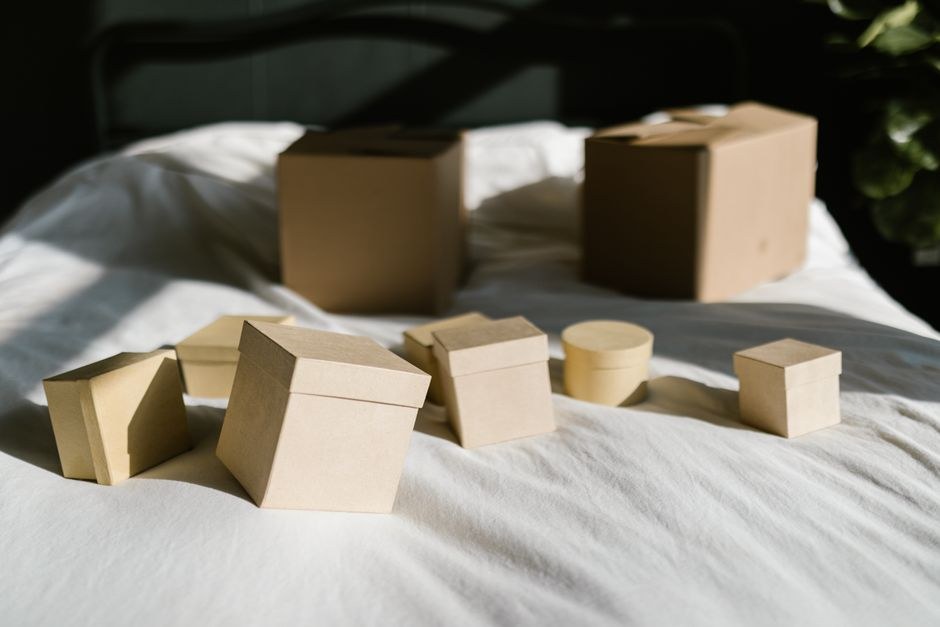
A buyer's guide to slipper packaging materials, cost drivers and eco slipper packaging options, with practical advice on specifying and costing packaging for bulk orders.
Packaging is where a lot of slipper orders quietly lose money. The slippers arrive fine, the buyer pays, and then a few cents per pair turn into a five-figure line item because nobody specified the poly bag thickness, the hangtag board, or whether the inner box needed to be printed. If you are buying house slippers in bulk, it pays to treat slipper packaging materials as a costed, specified component of the product, not an afterthought tacked onto the purchase order.
What slipper packaging actually consists of
Most wholesale cotton slippers ship with three layers of packaging, and each is priced differently.
- Primary pack – the poly bag, OPP bag, or compostable film that wraps each pair. Thickness is usually stated in microns or in the conventional "mil" used by some buyers. A thinner bag saves money but tears in transit; a bag with a printed logo costs more per unit and may require a plate or digital setup.
- Secondary pack – the inner box, colour sleeve, or hangtag that makes the pair shelf-ready. This is where supermarkets and brand owners spend most of their packaging budget.
- Transport pack – the export carton, usually a five-layer corrugated box. Carton cost varies with the test grade (burst or edge crush), the print (plain, one-colour, or multicolour), and the carton dimensions, since an oversized carton wastes both board and container space.
Ask your supplier to show each layer as a separate line on the quotation. A single "packaging included" number hides the trade-offs you need to see.
Where slipper packaging costs come from
The unit cost of packaging is driven by four things, and only one of them is the material itself.
- Material and grammage. Board weight, film thickness, and whether the box is corrugated or folding board. Upgrading from a thin folding carton to a rigid box can multiply the per-unit cost, so decide early what the retail channel requires.
- Print and finishing. One-colour flexo is cheap; four-colour offset with lamination, foil, or spot UV is not. Setup costs are amortised over the run, so small orders carry a higher per-unit burden.
- Tooling and plates. Custom box sizes need a die; printed bags may need a cylinder or plate. These are one-time costs, but they are real and should be quoted separately so you can decide whether they belong on your balance sheet or the supplier's.
- Labour and packing time. Hand-folding, inserting tissue, applying stickers, and bagging each pair all consume minutes. At scale those minutes are a meaningful share of the packaging line.
As a rule of thumb, a plain poly bag plus a simple export carton is the cheapest compliant option. Every step up from there — printed bag, colour box, hangtag, tissue, desiccant — should be justified by what the retail buyer actually needs.
Eco slipper packaging: what is worth paying for
Eco slipper packaging is now a standard request from European and North American buyers, but the term covers a wide range of options with very different cost and performance profiles.
- Recycled board for boxes and hangtags is widely available and usually costs close to virgin board at volume. Confirm the recycled content percentage and ask for the supplier's documentation rather than taking the claim on trust.
- Paper-based bags and wraps replace poly bags in some programmes. They are heavier, bulkier, and less protective against moisture, so they suit dry, short-haul distribution better than a full container to a humid port.
- Compostable or biodegradable film is the most requested and the most oversold option. It often costs more than conventional film, has a shorter shelf life, and only works if the end customer actually has industrial composting. If your retail buyer cannot explain how the packaging will be disposed of, the eco claim is marketing, not procurement.
- Reducing material is the cheapest eco step. A right-sized carton, a thinner bag that still passes drop testing, and dropping unnecessary inserts often cut cost and waste at the same time.
The practical advice: specify eco requirements with the same precision as size and colour, and ask the factory to quote the standard and eco versions side by side. That comparison tells you what the green claim is really costing per pair.
Specifying packaging so the quote matches the goods
Most packaging disputes trace back to a vague purchase order. Put the following on the spec sheet before you request pricing: bag type and thickness, whether printing is one or two sides, box dimensions and board grade, print colours and finish, hangtag size and string type, carton dimensions, carton test grade, and how many pairs per carton.
Then ask for two or three packaging samples with the bulk quotation. A packaging sample does not need to be the final print, but it should be the final construction. Check that the slipper fits the box without crushing, that the bag does not scuff a plush or sherpa surface, and that the carton holds its shape when stacked.
Finally, confirm who owns the tooling. Dies and print plates are often charged to the buyer; make sure the quotation says whether they are one-time, reusable across repeat orders, and stored at the factory between seasons. For a seasonal programme that repeats annually, that detail alone can save a meaningful sum on the second order.
Practical next steps for your packaging brief
Before you send an enquiry, decide three things: what the retail channel requires (shelf-ready box, plain bag, or hotel-style wrap), what your buyer's sustainability policy actually accepts, and what your landed cost target is per pair. With those three answers you can ask a cotton slipper manufacturer for a packaging matrix rather than a single price, and compare options on a like-for-like basis.
Ask for packaging costs broken out per pair and per carton, and request a sample of each option you are seriously considering. If a supplier cannot explain why one eco option costs more than another, keep asking until they can. That conversation is usually a good indicator of how the rest of the order will go.
Tags: slipper packaging, eco packaging, wholesale slippers, packaging costs, sourcing guide