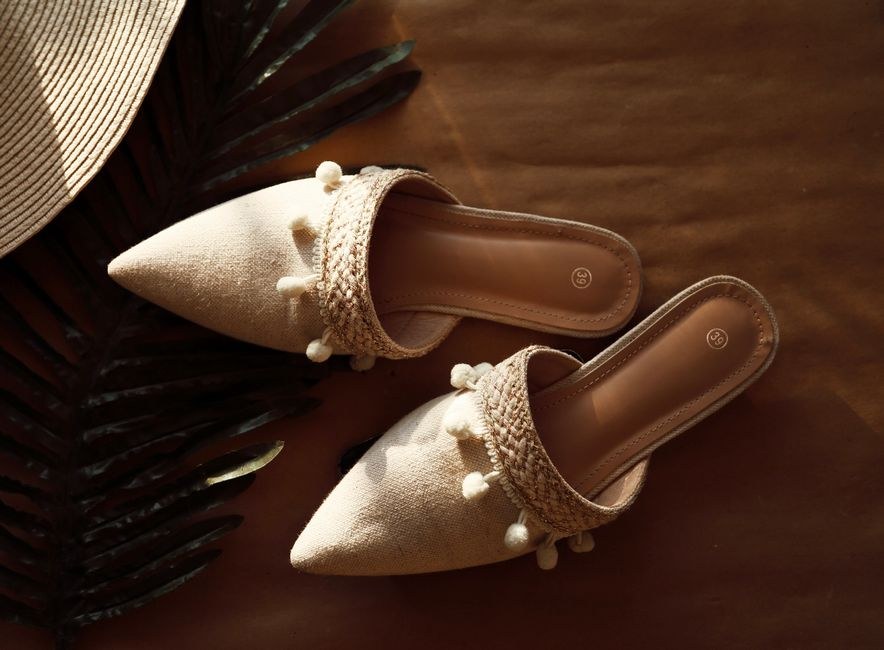
A practical guide to sourcing summer slippers wholesale: open-toe cotton designs, lightweight materials, MOQ planning, and cost-effective bulk ordering for importers.
Most wholesale slipper programs are built around winter. Plush linings, closed toes and thick soles dominate catalogues from October onward. But for buyers who treat slippers as a year-round category, the summer range is where margin quietly hides. Summer slippers wholesale is not simply winter stock with the lining removed — the construction, materials and retail price points are different, and buyers who understand that difference get better sell-through and fewer markdowns.
Why Summer Slippers Wholesale Deserves Its Own Program
Winter slippers sell on warmth. Summer slippers sell on breathability, lightness and easy care. A shopper in a warm climate or a heated apartment in winter still wants something on their feet, but they are not looking for a plush bootie. They want a slipper that feels cool, dries fast after a wash, and does not make their feet sweat. That changes the specification from the ground up.
From a sourcing angle, the summer range also helps you smooth factory capacity. Cotton slipper factories in Cixi run year-round, and summer lines can be produced outside the peak winter crunch. That usually means more flexible scheduling and sometimes better pricing on the same factory floor. If you already place winter orders, adding a summer SKU is often easier than finding a second supplier.
The bigger point is assortment. A supermarket or mid-market chain that carries slippers only in Q4 leaves shelf space empty for the rest of the year. A lightweight summer slipper, priced as an impulse item, keeps the category visible and builds repeat purchase before the winter season starts.
Open Toe Cotton Slippers: What Buyers Should Specify
Open toe cotton slippers are the core of most summer ranges, but the term covers a wide spread of constructions. The key variables are the upper fabric, the sole, and how the two are joined. Get those three right and the product performs; get them wrong and you get returns.
For the upper, look at knitted cotton, cotton canvas, or a cotton-terry blend. Knitted uppers breathe well and stretch slightly, which helps with fit across sizes. Terry is softer and absorbs moisture, but it can pill faster — ask for a pilling test if your market cares about appearance after washing. Avoid heavy brushed fabrics that hold heat and lint.
The sole matters more in summer than in winter. A thick memory foam midsole that feels luxurious in a cold-weather slipper can feel hot and heavy in July. For summer, specify a thinner EVA or lightweight TPR outsole. EVA gives a soft, quiet step and is very light; TPR gives better grip on smooth flooring. Either works, but test wet grip if the slipper will be worn near pools, bathrooms or kitchens.
Also decide how the open toe is finished. A simple bound edge is cheapest; a folded and stitched edge looks cleaner and holds shape longer. For a retail price point above entry level, the folded edge is usually worth the small upcharge.
Lightweight Slipper Sourcing: Materials, MOQ and Cost Drivers
Lightweight slipper sourcing is mostly about removing weight without removing structure or comfort. That means choosing materials by function rather than by habit. A few practical rules:
- Upper weight: Ask for fabric weight in GSM. Summer uppers typically run lighter than winter uppers; too light and the slipper feels flimsy, too heavy and it defeats the purpose. Request a swatch for hand feel before confirming.
- Sole density: EVA density affects both weight and durability. A very low-density sole feels light but can compress quickly. Ask the factory to state the density and test a pair underfoot.
- Lining: Many summer slippers skip the lining entirely or use a thin cotton layer. Skipping the lining saves cost and weight but can make the seam rough against the skin — check the inside finish on a sample.
- Packaging: Lightweight slippers can ship in smaller cartons, which affects freight cost per pair. Confirm carton dimensions early so your landed cost estimate is realistic.
MOQ for summer lines is usually similar to winter lines at a direct factory, but mixed-color and mixed-size cartons can push the minimum up. If you are testing the category, start with a smaller run in two or three colors and one or two core sizes, then scale the winners. Do not assume the factory will treat a summer order as a low-priority fill-in — schedule it properly and confirm the production slot in writing.
Cost drivers for summer slippers are similar to winter: fabric, sole material, labor for stitching, and packaging. The difference is the balance. Because there is less material overall, labor becomes a larger share of unit cost. That means simplifying the pattern — fewer panels, a cleaner edge, a simpler strap — often saves more than negotiating fabric price.
Quality Checks That Matter for Summer Slippers
Summer slippers fail in different ways than winter ones. Instead of lining shedding, you get color bleeding, sole separation and shrinkage after washing. Build these checks into your inspection plan:
- Color fastness: Test against water and rubbing, especially on darker dyes and prints. Summer footwear gets washed more often.
- Shrinkage: Wash a sample pair and measure before and after. Cotton uppers can shrink; if the slipper is sized tightly, it may become unwearable.
- Sole bond: Check the join between upper and sole after flexing. Open-toe designs put more stress on the toe edge.
- Weight consistency: Weigh several pairs from the same carton. Large variation suggests inconsistent sole density or fabric weight.
- Strap and edge finishing: Run a finger along the toe opening. Any roughness or loose thread will be a complaint.
If you are sourcing from a new factory, order a pre-production sample in your exact colors, wash it, and wear-test it before releasing bulk. This is the cheapest test you will ever run.
Practical Next Steps for Your Summer Range
Start with a narrow assortment: one open-toe knitted cotton slipper on a lightweight EVA sole, one terry slide for bathroom and spa use, and perhaps one lightweight closed-toe canvas style for transitional weather. Keep the palette small and the size curve simple. Ask your factory for a cost breakdown by component so you can see where the money goes — that conversation usually reveals one or two design changes that reduce cost without hurting the product.
Confirm the production calendar before you commit. Summer goods need to be on shelves by late spring, which means production and shipping have to be finished well before that. If you are working with a Cixi factory, ask for a written schedule that includes sample approval, bulk production and departure port dates. And treat the first summer order as a learning run: measure sell-through by color and size, then use those numbers to plan the next season. The buyers who win in this category are the ones who treat summer as a planned program, not an afterthought.
Tags: summer slippers, open toe slippers, lightweight slippers, cotton slippers wholesale, slipper sourcing